
Indian Fabrics, Patterns & Craft Heritage
Fabrics
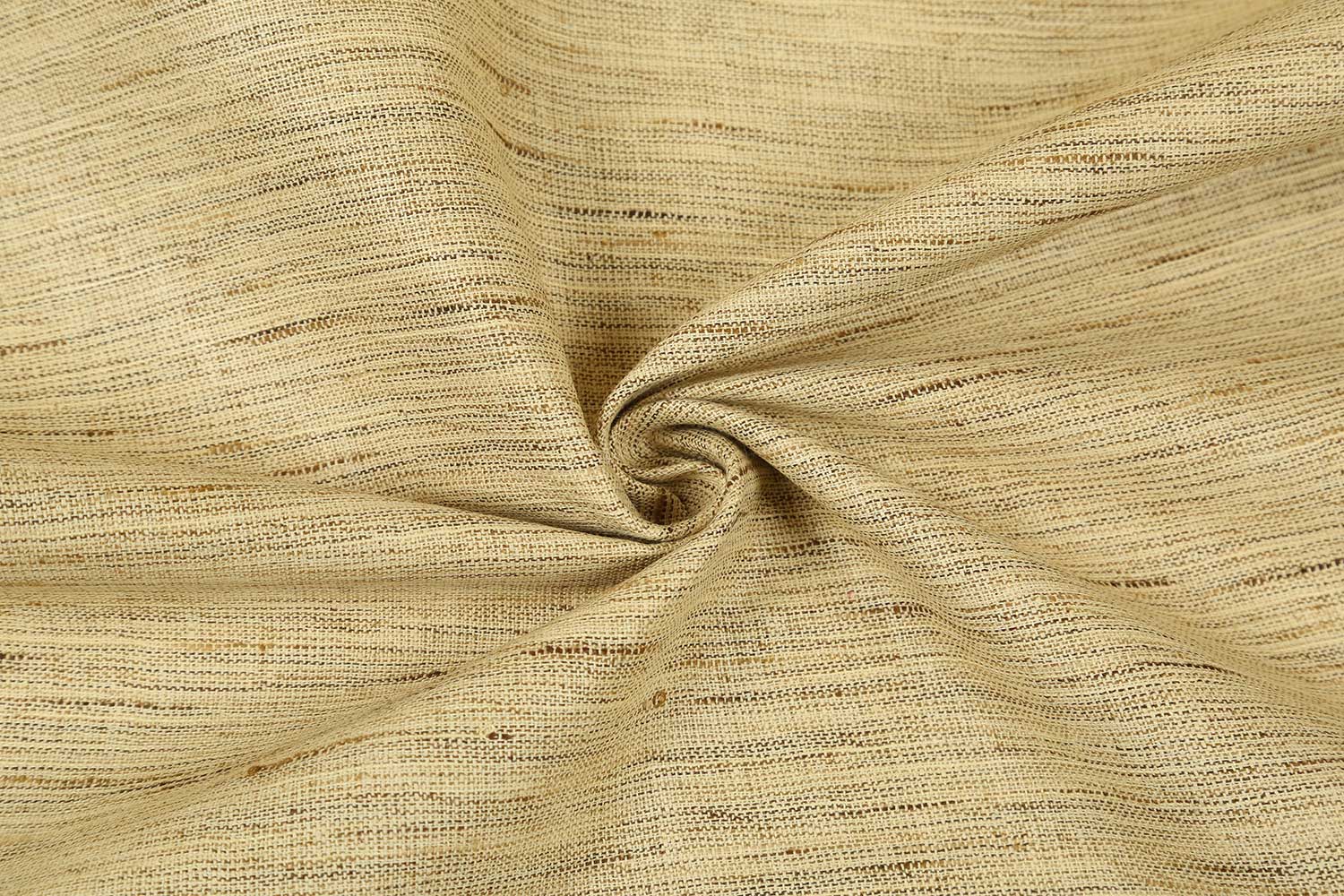
Khadi
Khadi is a handspun, handwoven fabric that became a symbol of India’s freedom movement under Mahatma Gandhi. Practiced for centuries in villages, it represents self-reliance, sustainability, and slow fashion rooted in rural India.
Wash & Care
Khadi
- Hand wash separately in cold water
- Use mild detergent only
- Do not wring; dry in shade
- Iron on low to medium heat
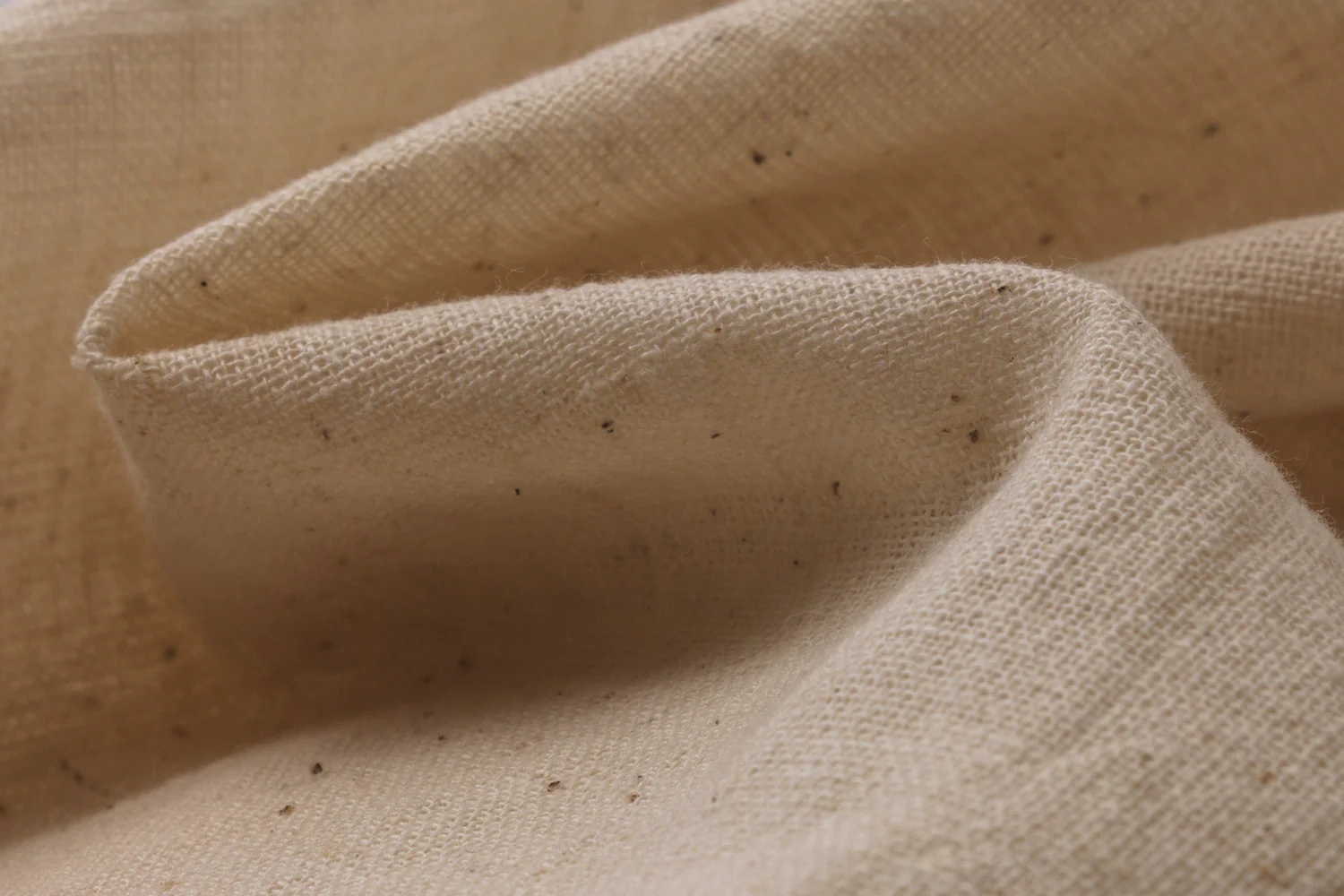
Kala Cotton
Kala cotton is an indigenous, rain-fed cotton variety from Kutch, Gujarat. Cultivated for centuries, it is resilient, organic by nature, and traditionally woven by local artisan communities.
Wash & Care
Kala Cotton
- Hand wash or gentle machine wash in cold water
- Wash dark colors separately
- Use mild detergent
- Dry in shade; iron while slightly damp
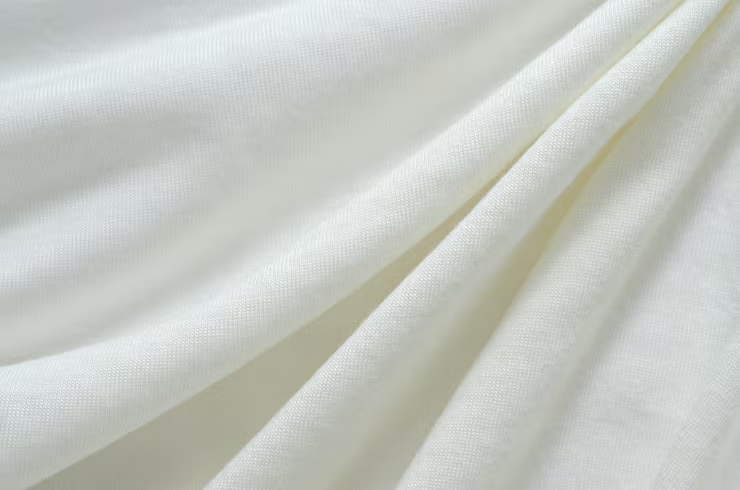
Cotton
Cotton has been cultivated in India since the Indus Valley Civilization (c. 3000 BCE). India was one of the world’s earliest cotton producers and exporters, supplying fine cotton muslins and calicoes globally.
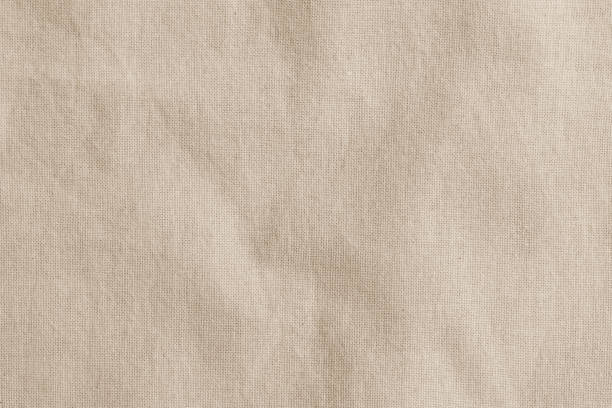
Muslin
Indian muslin, especially from Bengal, was once so fine it was called “woven air.” Highly prized in ancient and medieval trade, muslin was worn by royalty and exported to Europe, the Middle East, and Asia.
Wash & Care
Muslin
- Hand wash gently in cold water
- Do not scrub or twist
- Dry flat in shade
- Iron on low heat
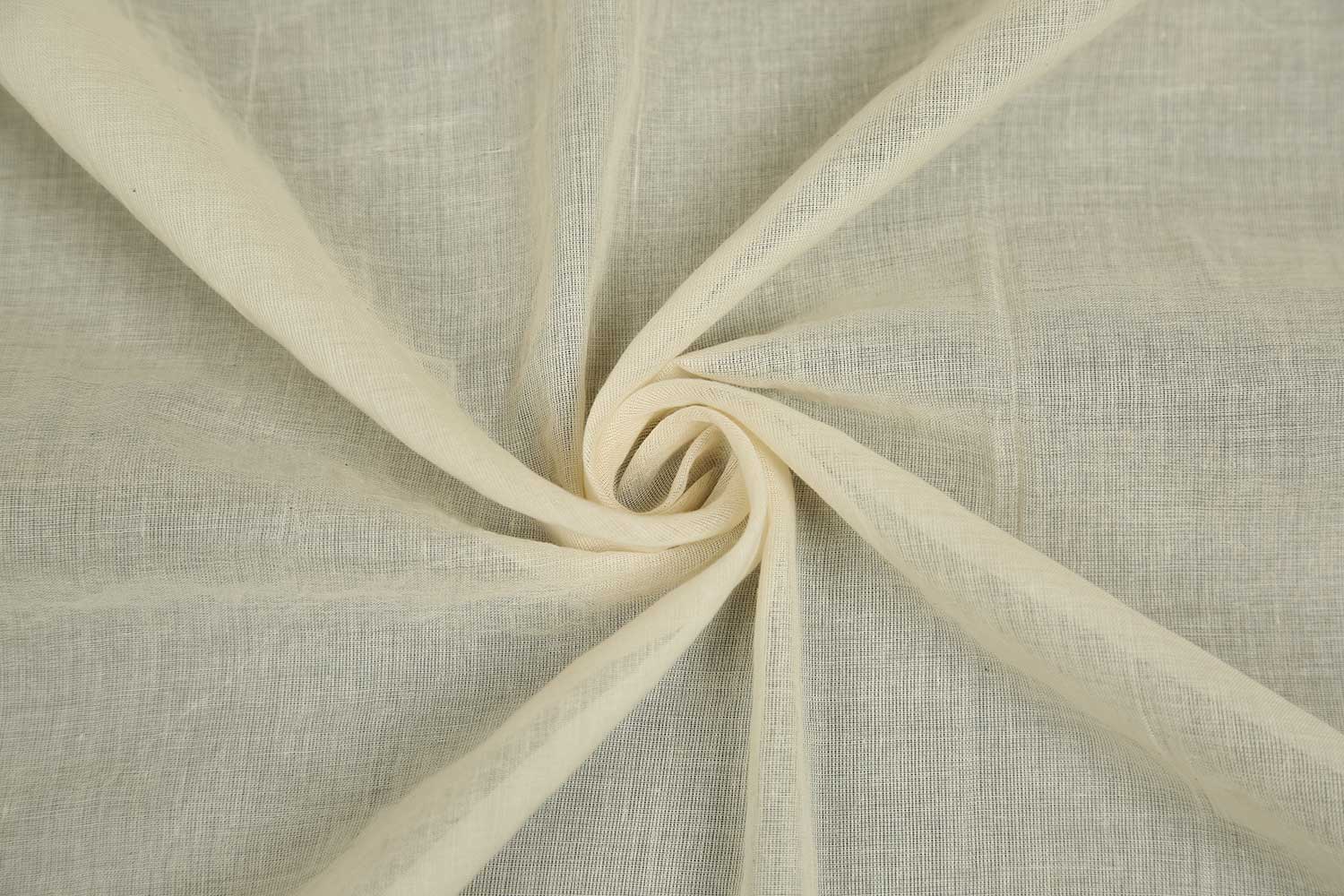
Cambric Cotton / Cotton Voile
Lightweight cottons developed from traditional Indian weaving practices, adapted over time for breathability in tropical climates. These fabrics became staples in everyday and festive Indian wear.
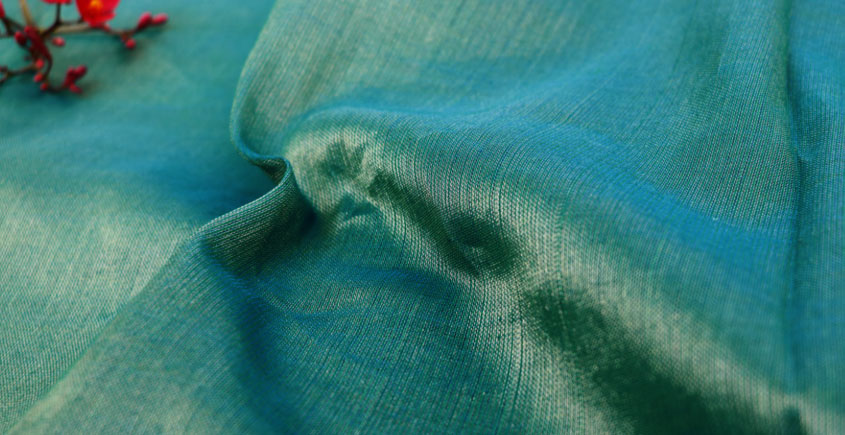
Maheshwari Silk
Developed in Maheshwar, Madhya Pradesh, during the reign of Queen Ahilyabai Holkar in the 18th century. Maheshwari weaves are known for their reversible borders, stripes, and refined silk-cotton blends.
Wash & Care
Maheshwari Silk
- Avoid direct sunlight
- Store folded with soft cotton lining
- Dry clean preferred
- Steam or iron on low heat
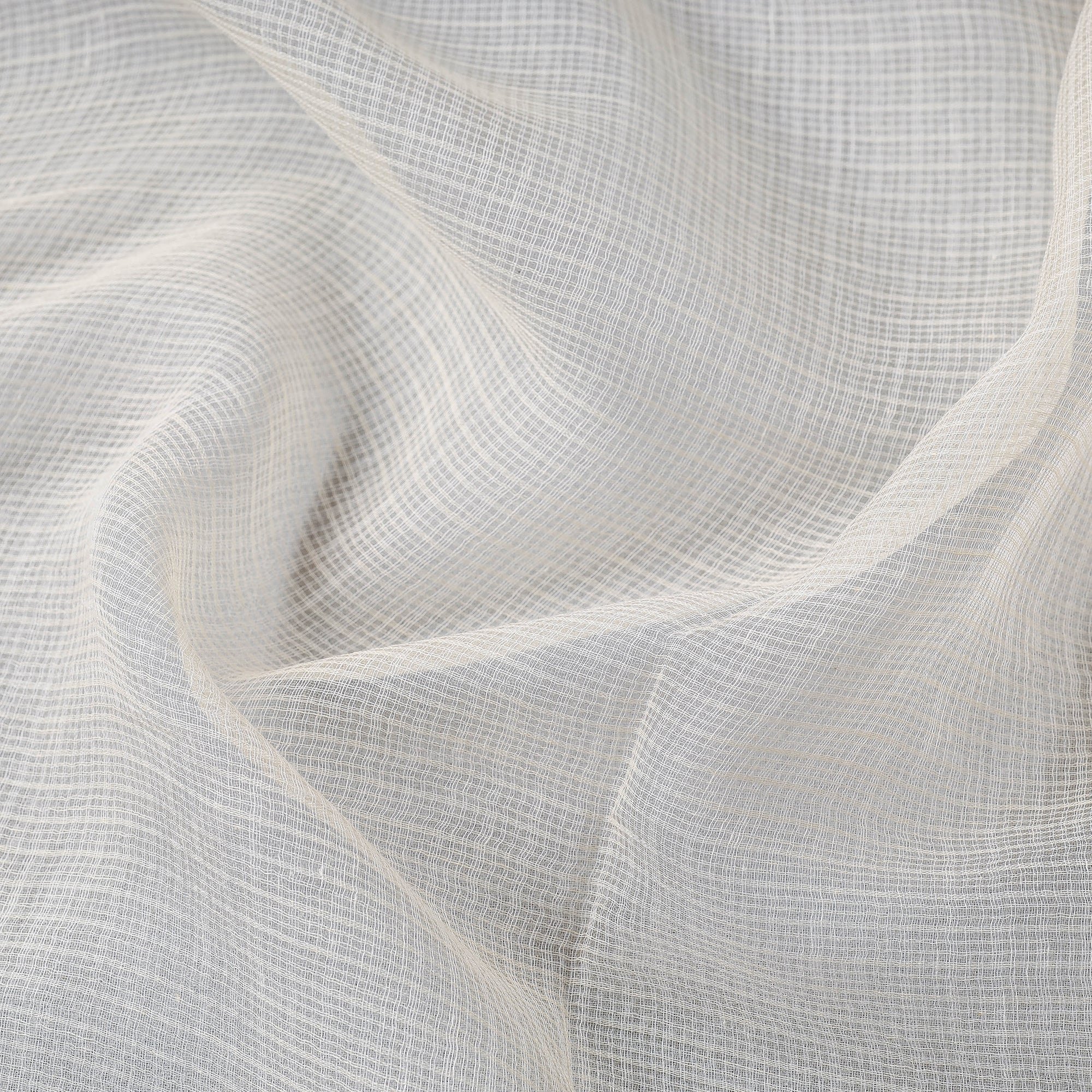
Kota / Kota Cotton
Originating from Kota, Rajasthan, this fabric is distinguished by its unique square-check weave called khat. Traditionally woven for royal families, Kota cotton is valued for its lightness and airy structure.
Wash & Care
Kota / Kota Cotton
- Gentle hand wash in cold water
- Use mild detergent
- Avoid machine wash
- Dry in shade; light ironing
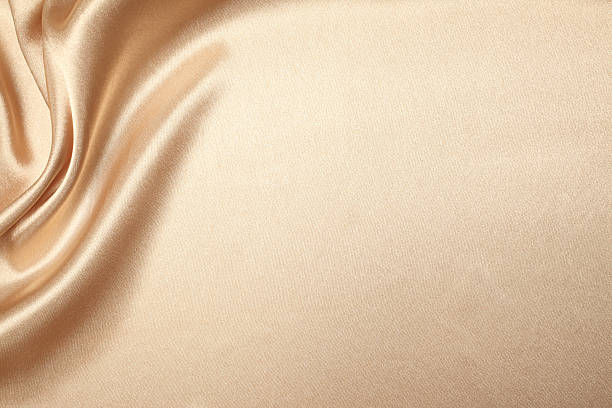
Silk
India has practiced silk weaving for over 4,000 years. Silk was integral to temple rituals, royal attire, and trade routes. Indian silk traditions are among the richest and most diverse in the world.
Wash & Care
Silk
- Dry clean only
- Avoid water exposure
- Store wrapped in muslin cloth
- Iron on reverse at low temperature
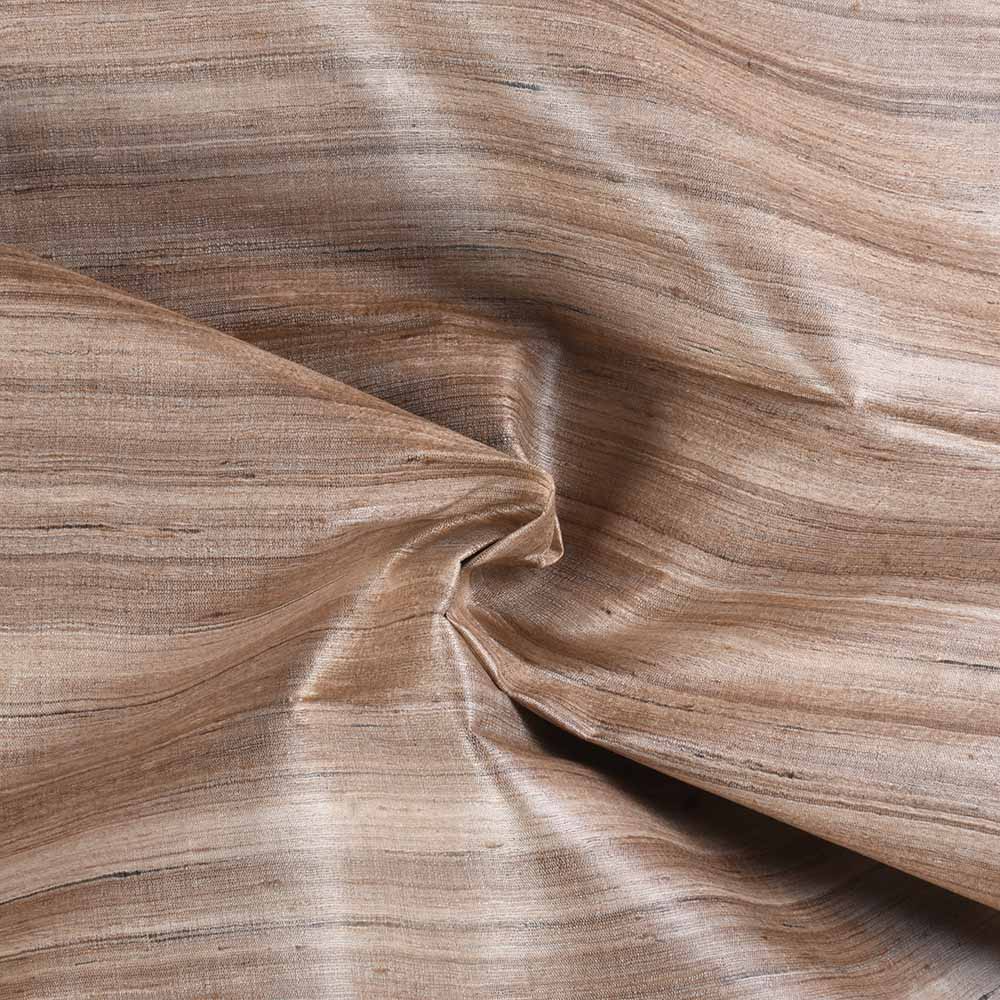
Tussar (Tasar) Silk
Tussar silk is a wild silk native to India, especially Jharkhand, Chhattisgarh, and Odisha. Used since ancient times, it is prized for its natural gold sheen and earthy texture.
Wash & Care
Tussar (Tasar) Silk
- Dry clean only
- Air occasionally to retain freshness
- Protect from moisture and perfumes
- Steam lightly if needed
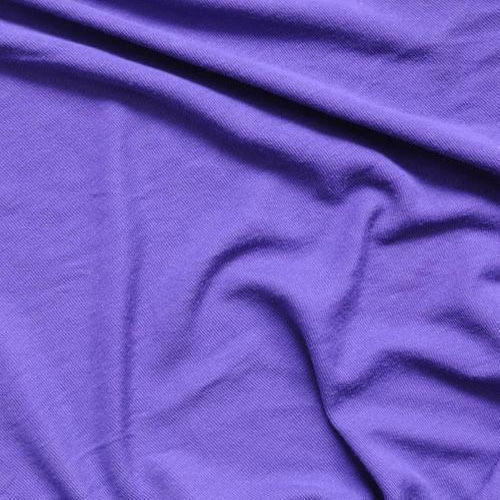
Modal / Modal Blend
Wash & Care
- Gentle machine wash or hand wash in cold water
- Wash with similar colors
- Do not bleach
- Dry flat or on hanger; warm iron
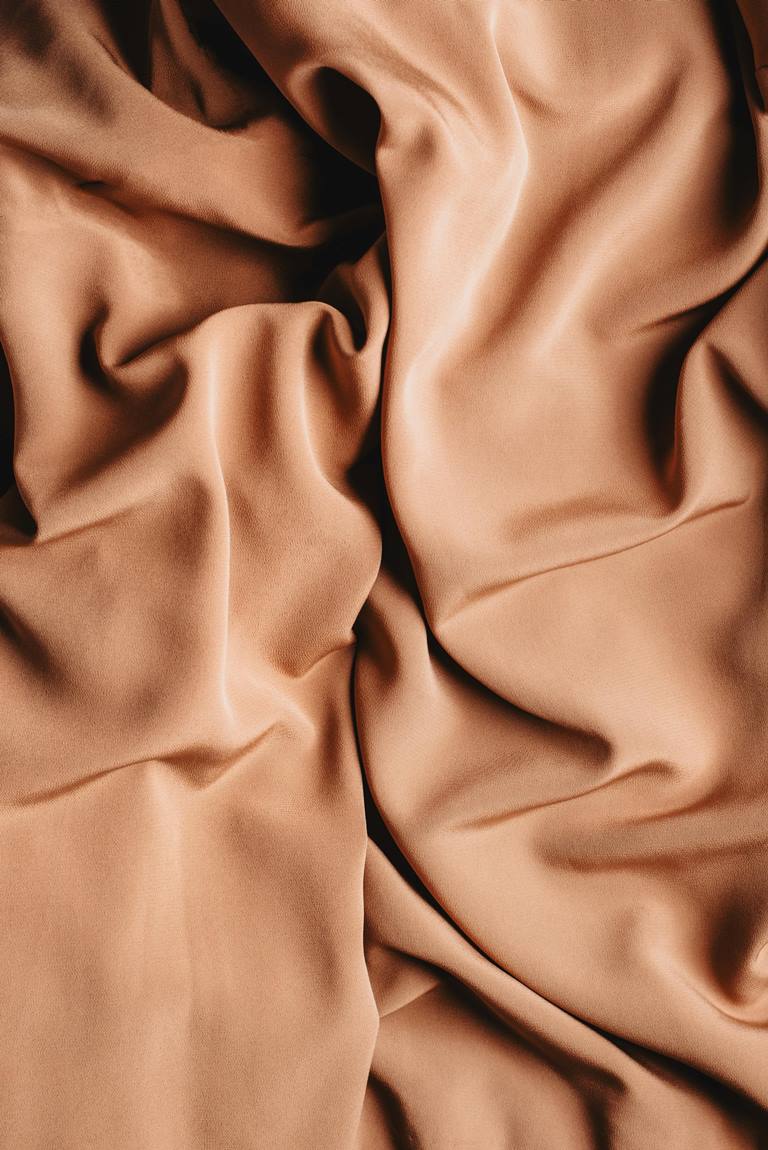
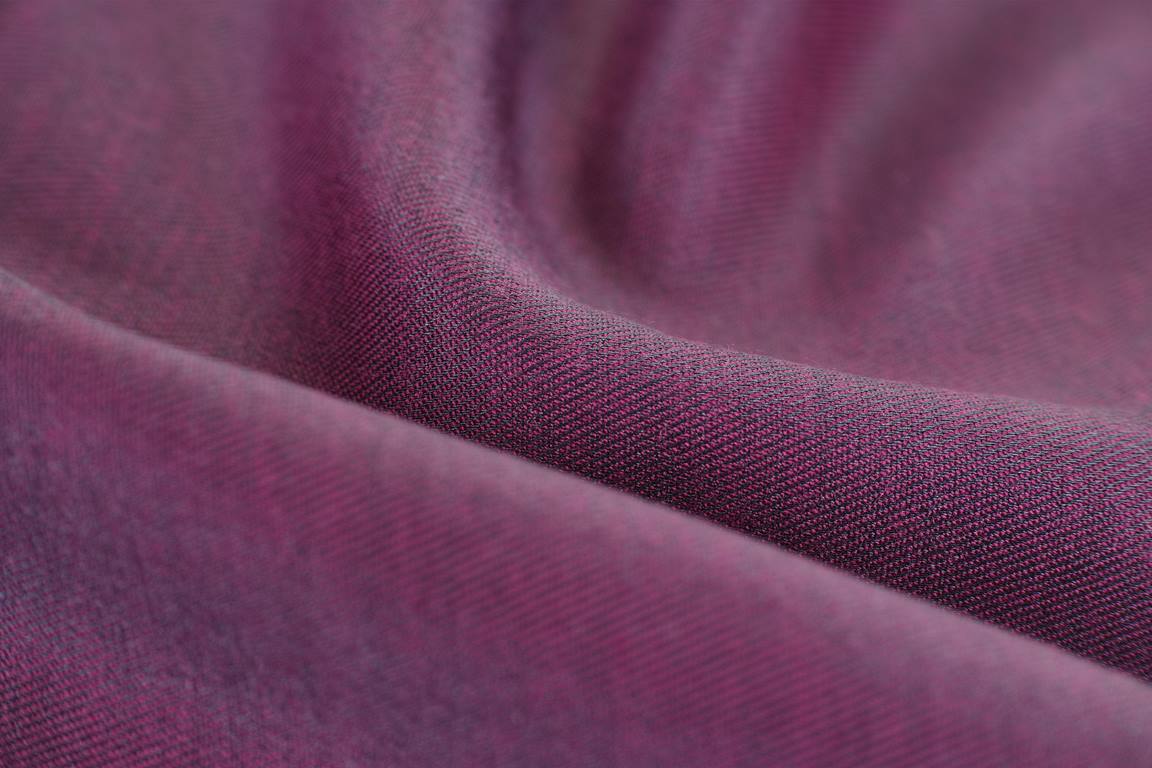
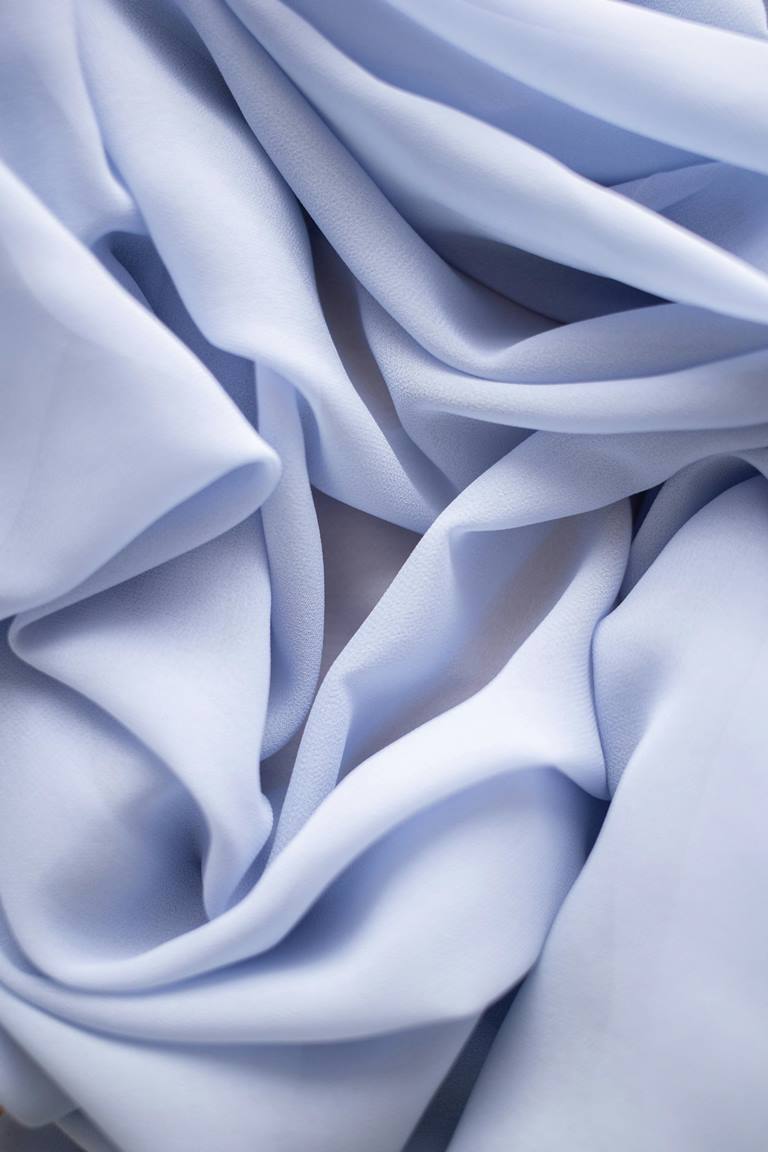
Rayon / Rayon Liva / Viscose / Viscose Rayon
Wash & Care
Rayon / Rayon Liva / Viscose / Viscose Rayon
- Dip-dyed colour.
- Wash seperately in normal water with mild detergent.
- Iron warm.
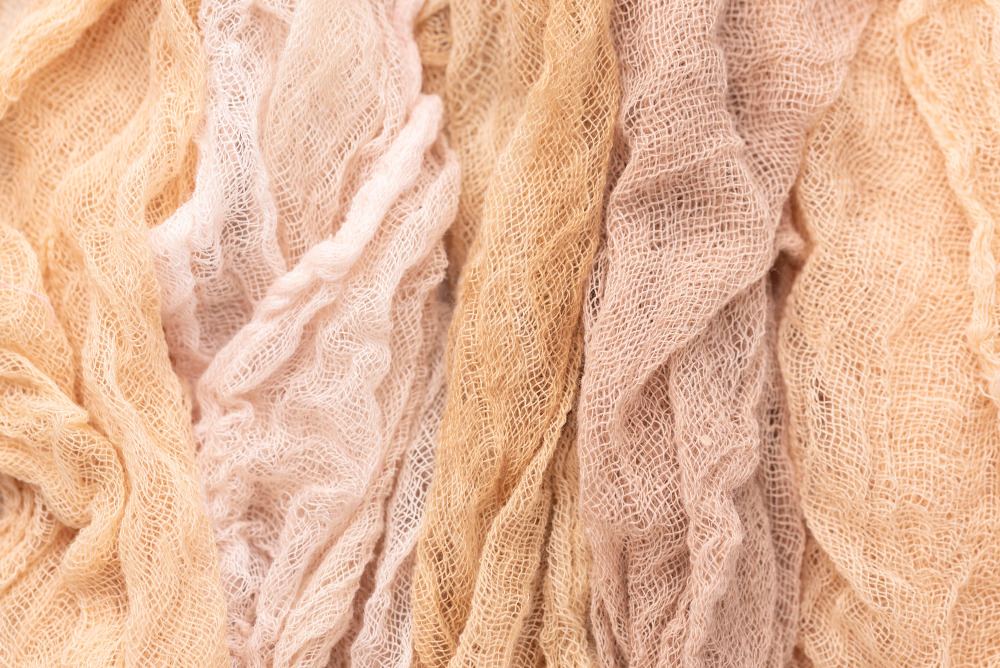
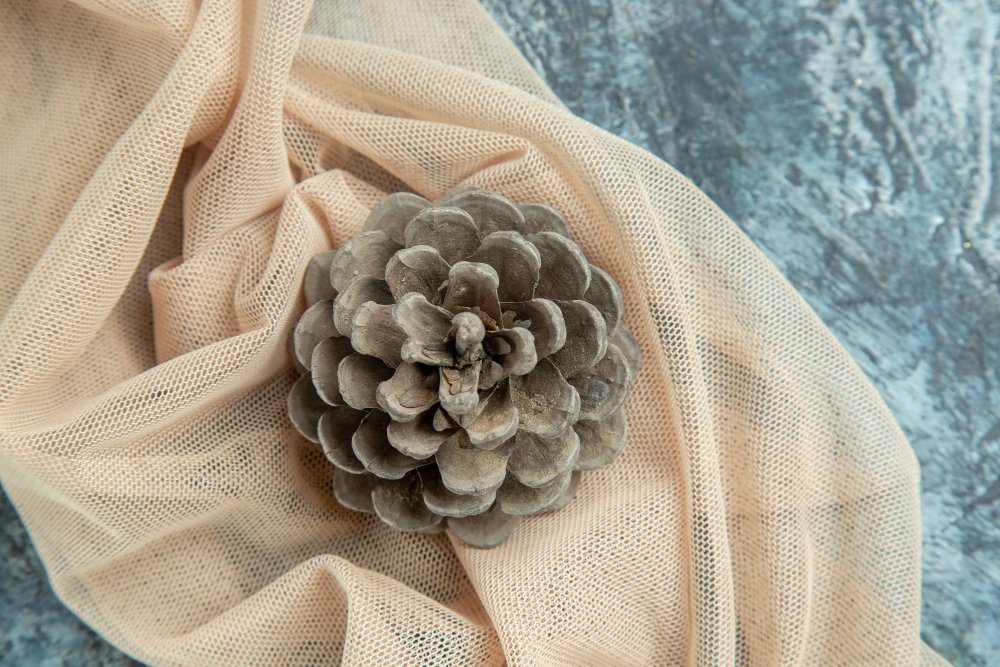
Viscose Linen / Viscose Georgette
Wash & Care
Viscose Linen / Viscose Georgette
- Dip-dyed colour.
- Wash seperately in normal water, with mild detergent.
- Dry upside reverse in shade.
- Straightening with Garment
- Steamer in preffered.
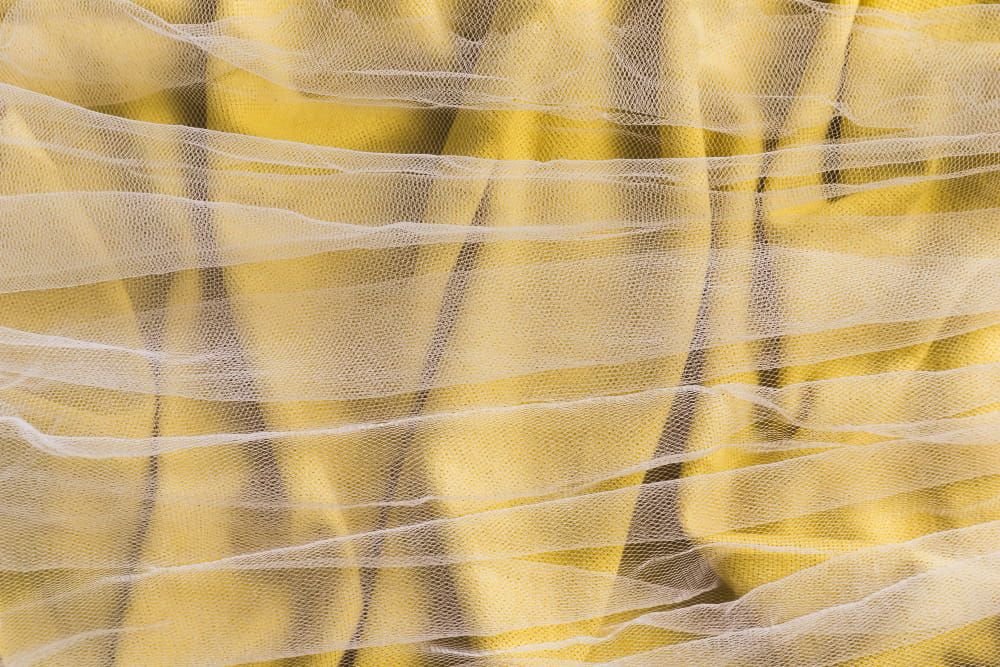
Voile
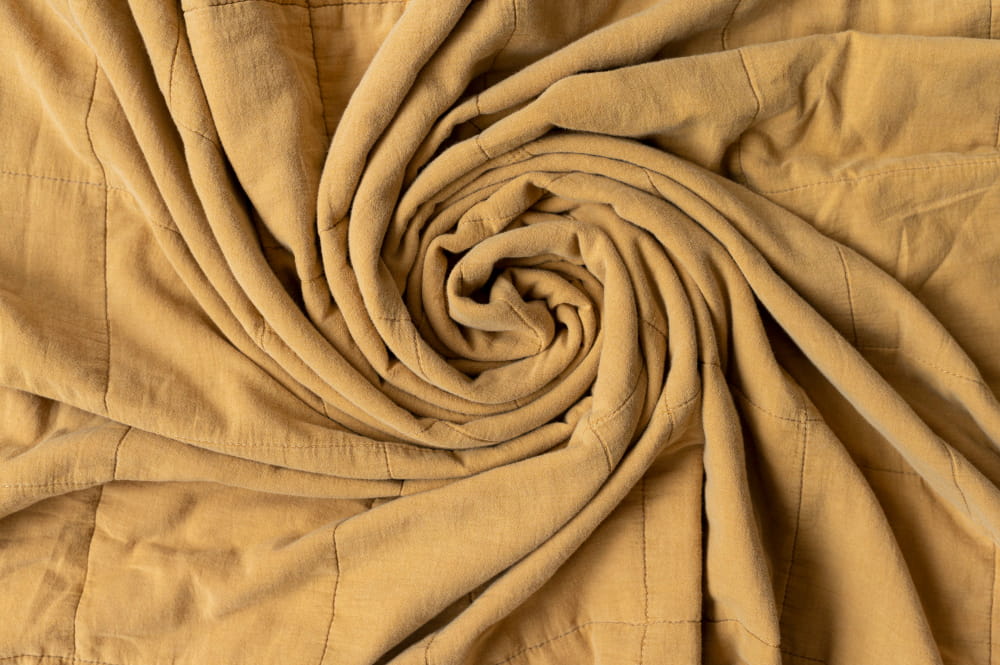
Cambric Cotton (Jacquard Buti)
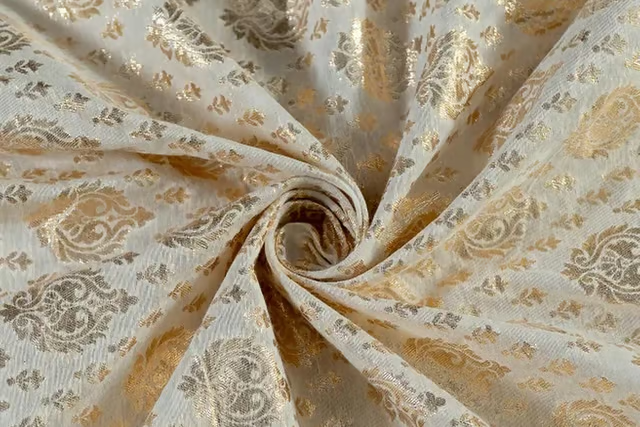
Chanderi / Chanderi Silk / Chanderi Mull / Silk Chanderi
Originating in Chanderi, Madhya Pradesh, this fabric dates back over 1,000 years. Patronized by royalty, Chanderi is known for its sheer texture, fine silk-cotton yarns, and woven motifs inspired by nature and temples.
Wash & Care
Chanderi / Chanderi Silk / Silk Chanderi / Chanderi Mull
- Dry clean recommended for longevity
- If washing at home, gently hand wash in cold water
- Do not wring or scrub
- Dry in shade; low-heat ironing only
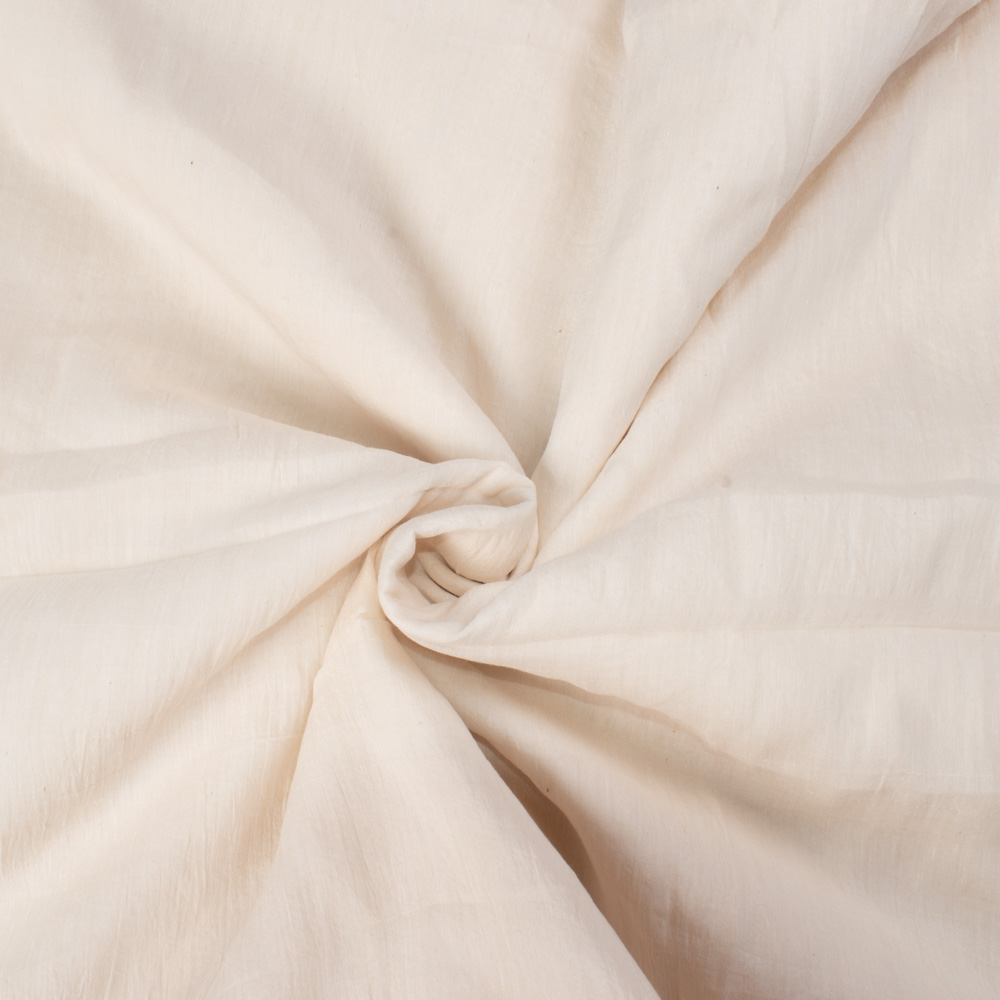
Silk Cotton / Cotton Silk
These blends evolved to balance silk’s richness with cotton’s comfort. Widely used in South and Central India, they became popular for daily ethnic wear and temple attire.
Wash & Care
Silk Cotton / Cotton Silk
- Dry clean recommended
- If hand washing, use cold water and gentle motion
- Do not soak
- Dry flat in shade
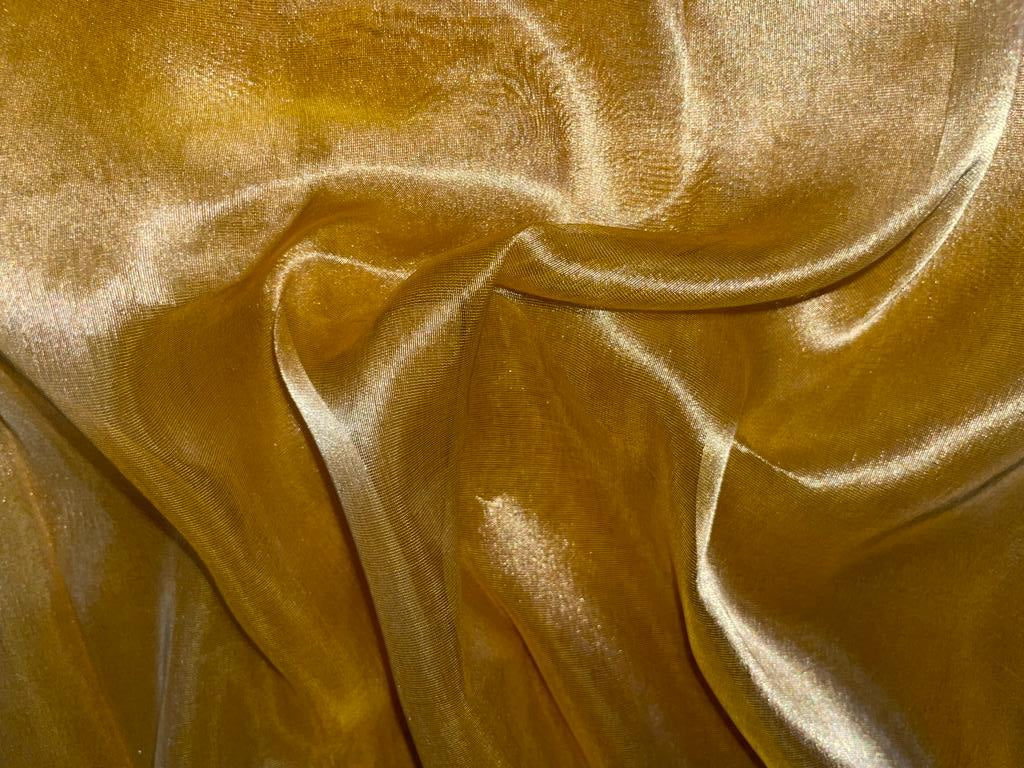
Tissue / Tissue Silk
Tissue fabrics originated in royal workshops, woven with silk yarns and metallic zari threads. Traditionally worn for ceremonial and festive occasions, they symbolize luxury and grandeur.
Wash & Care
Tissue / Tissue Silk
- Dry clean only
- Handle delicately to avoid tearing
- Store flat or rolled with butter paper
- Avoid heavy ironing; steam gently
Organza (Silk Organza)
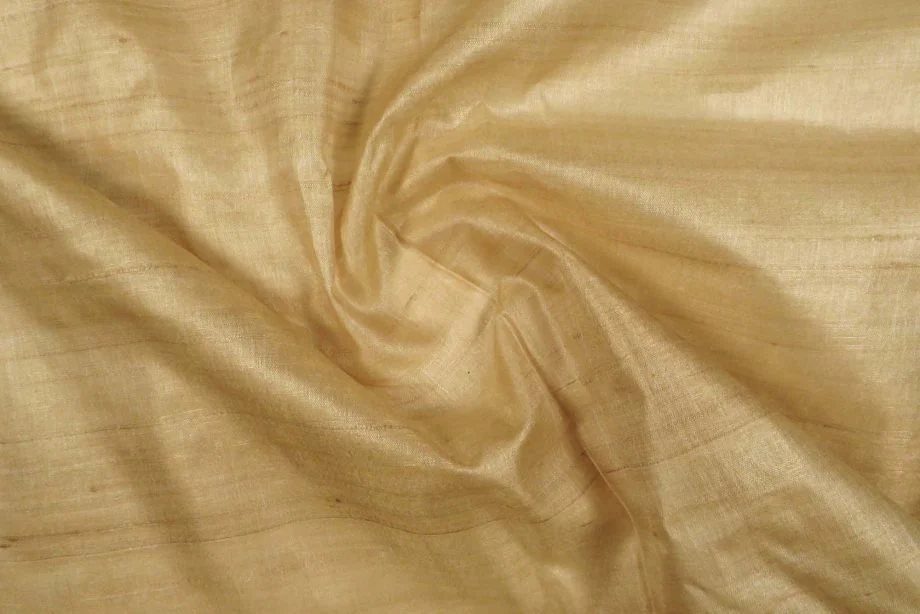
Silk organza has long been woven in India for bridal and festive wear. Its crisp transparency made it ideal for layered garments, dupattas, and embellishment-heavy designs.
Wash & Care
Organza (Silk Organza)
- Dry clean recommended
- Avoid friction and sharp accessories
- Store carefully to prevent creasing
- Low steam only
Poly Velvet / Polyester
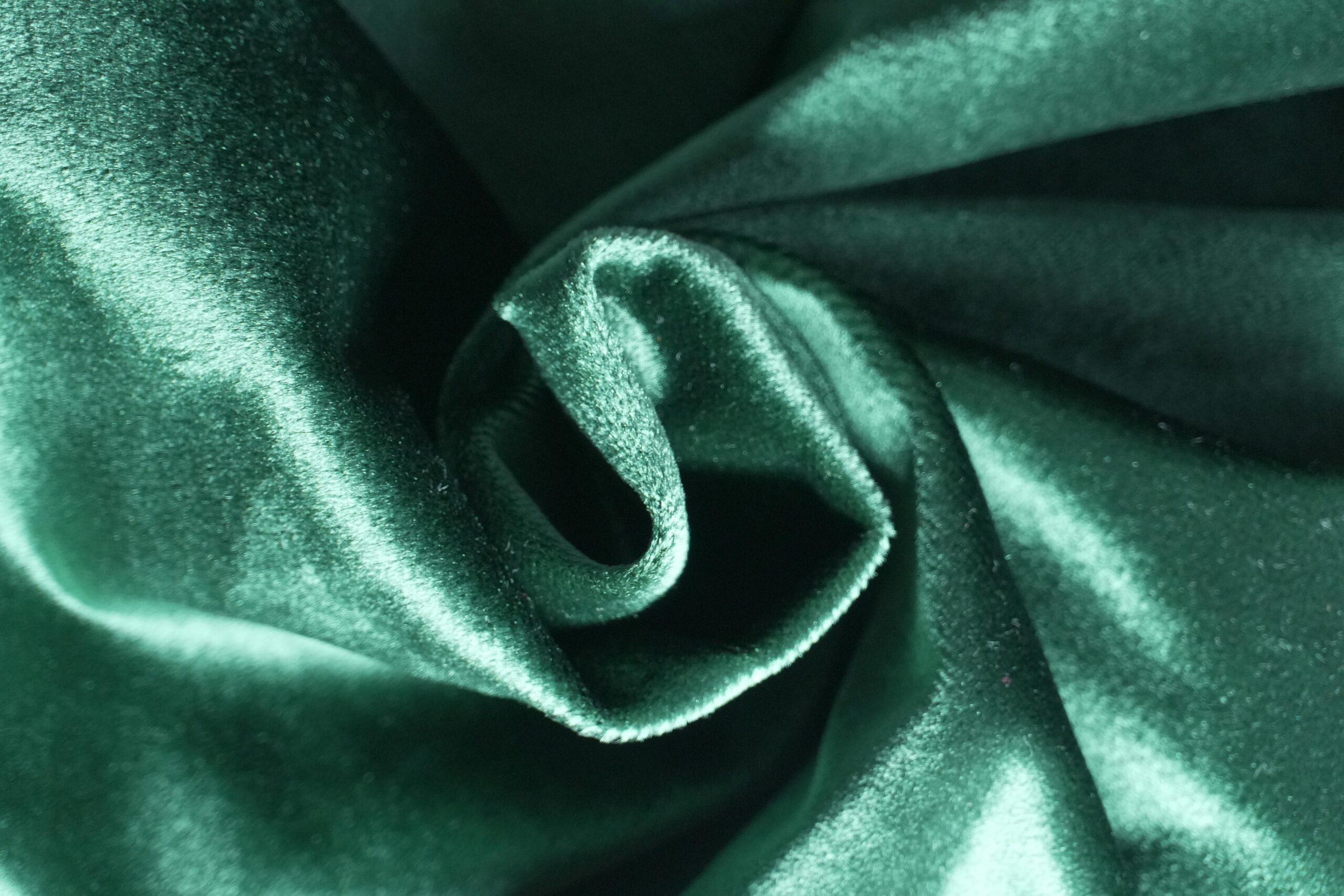
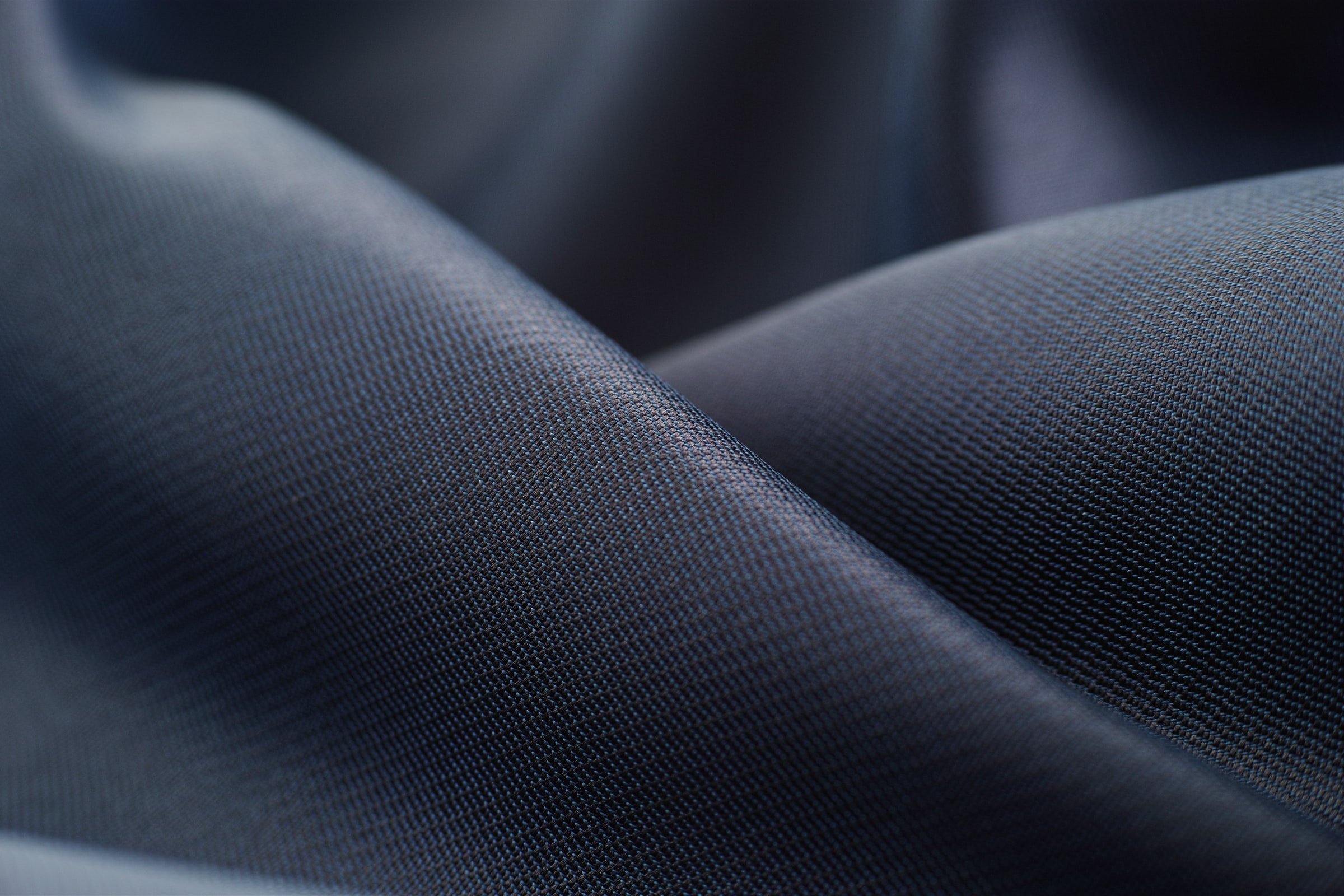
Polyester and poly velvet were introduced as durable, low-maintenance alternatives to natural fibers. In Indian ethnic wear, they became popular for festive garments due to their rich appearance, color retention, and resistance to wrinkles.
Wash & Care
Poly Velvet / Polyester
- Machine wash on gentle cycle in cold water
- Use mild detergent
- Do not wring
- Dry flat or hang; low-heat ironing
Dobby Weave
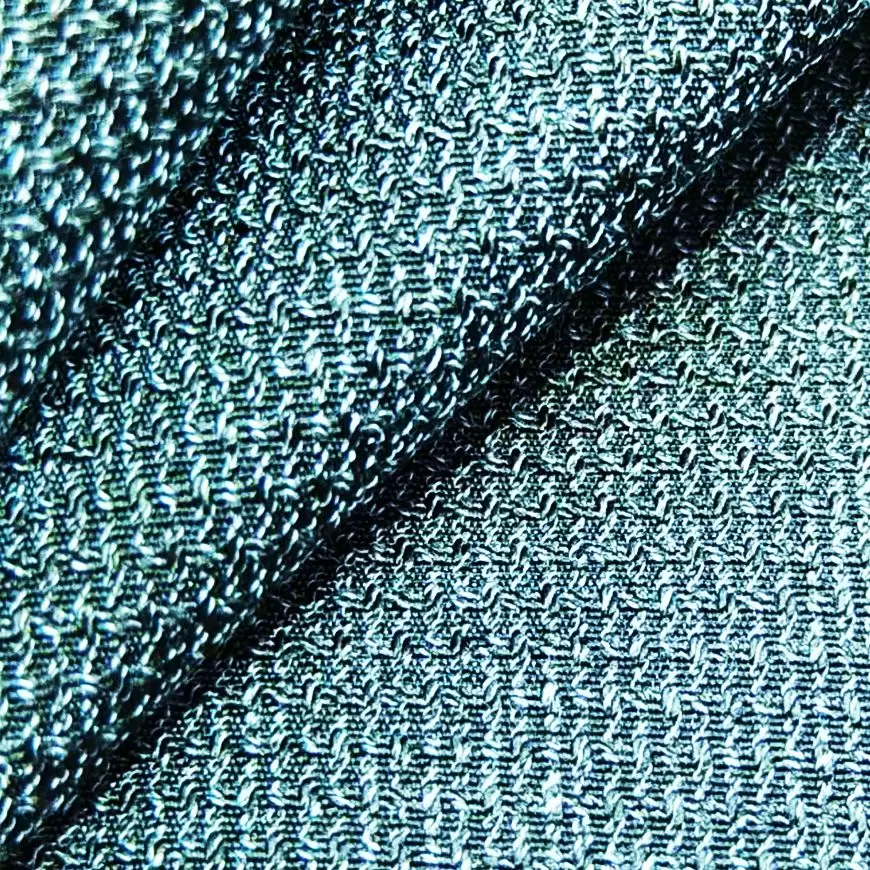
The dobby loom was introduced as an innovation to create small, repetitive motifs within woven fabrics. In India, it was adopted by traditional weavers to enhance texture while preserving handloom aesthetics, bridging craft and efficiency.
Wash & Care
Dobby Weave
- Gentle hand wash or mild machine wash
- Avoid harsh detergents
- Do not bleach
- Shade dry; warm iron
Patterns
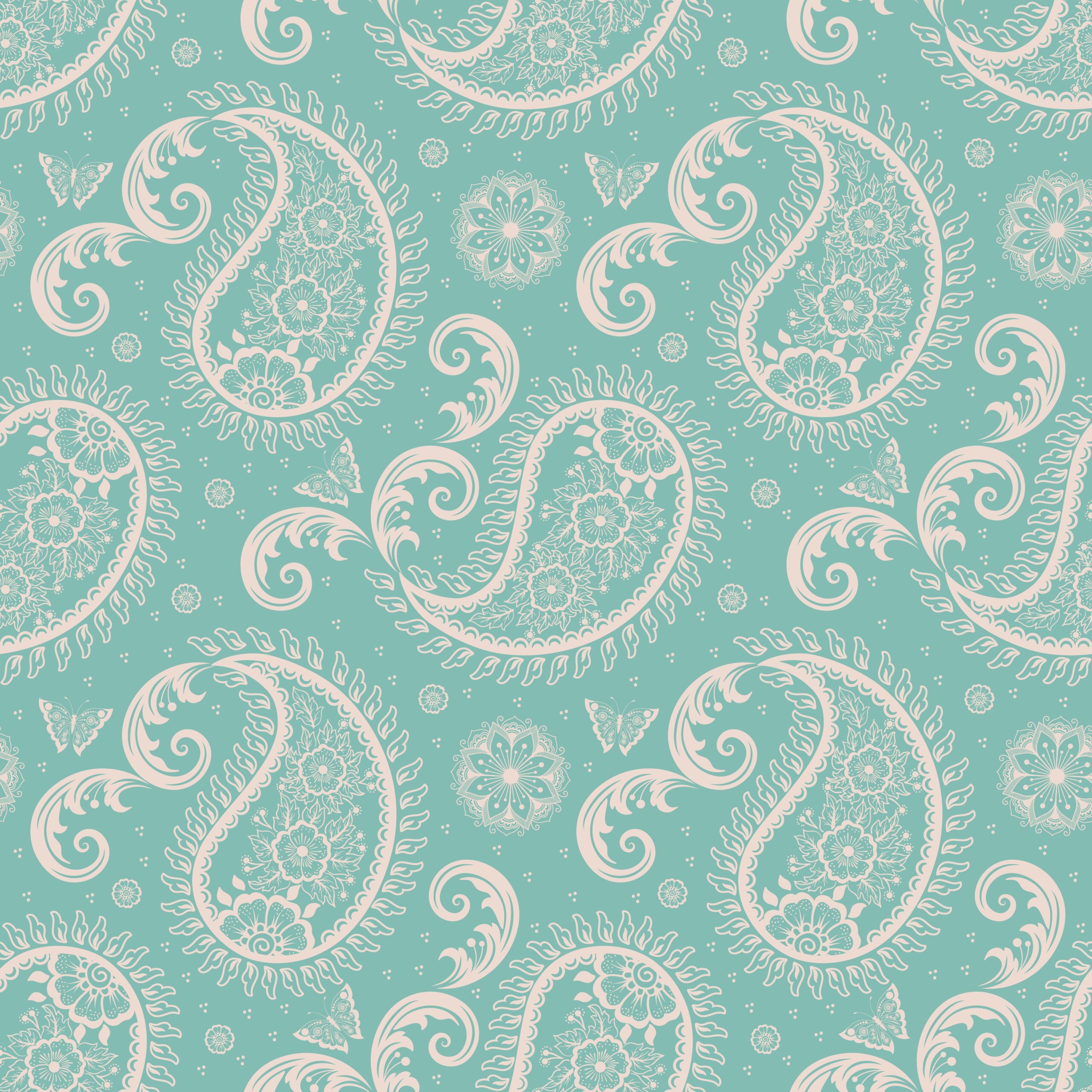
Paisley (Kairi / Mango Motif)
The paisley motif originated in ancient Persia and found deep cultural roots in India, where it evolved into the kairi (mango) motif. Widely used in Mughal-era textiles, shawls, and brocades, it became a symbol of fertility, abundance, and prosperity in Indian design traditions.
Wash & Care
Paisley (Kairi / Mango Motif)
- Gentle hand wash in cold water
- Use mild detergent
- Do not soak or scrub
- Dry in shade; iron on low heat
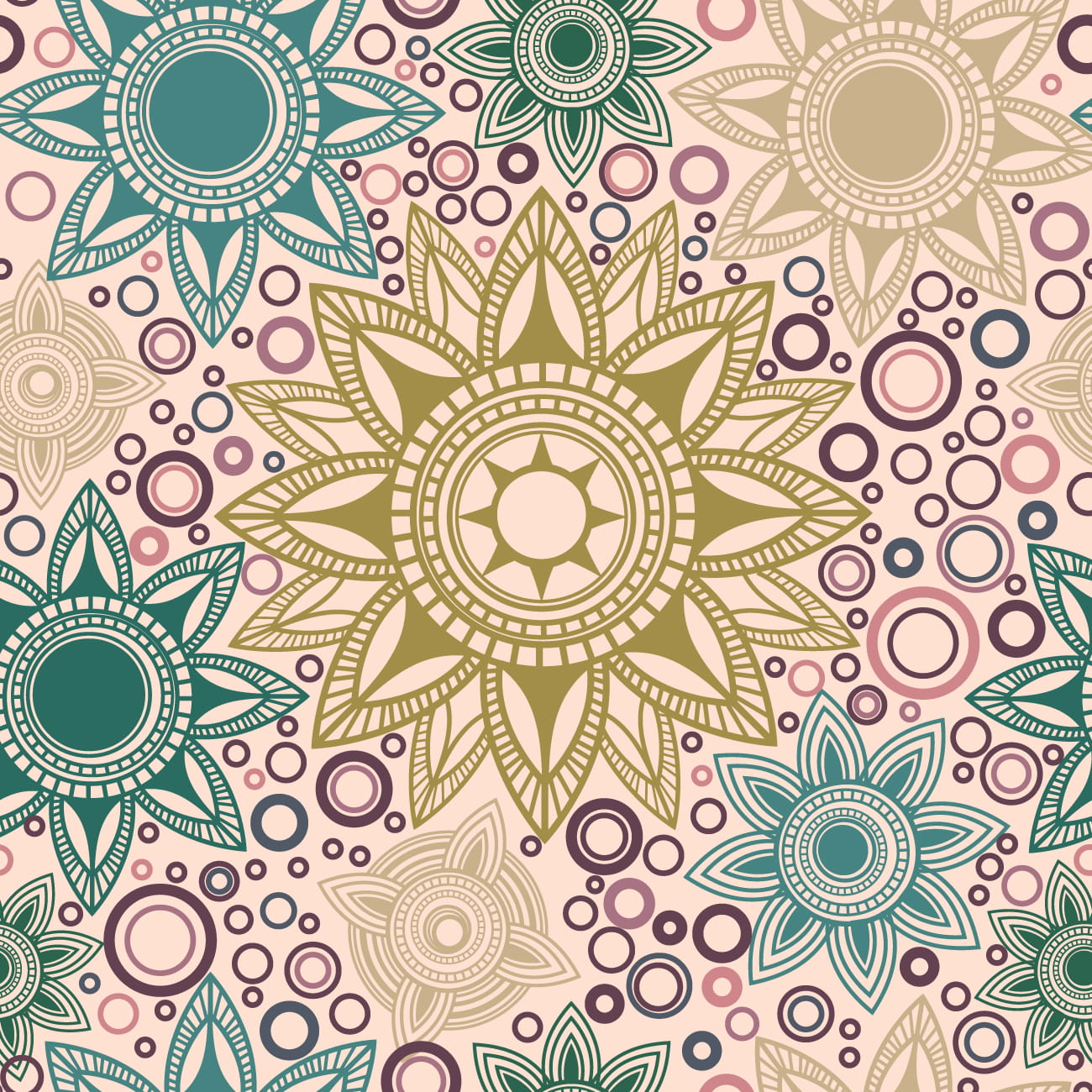
Floral Mandala
Wash & Care
Floral Mandala
- Dip-dyed colour.
- Wash seperately in normal water, with mild detergent.
- Dry upside reverse in shade.
- Straightening with Garment
- Steamer in preffered.
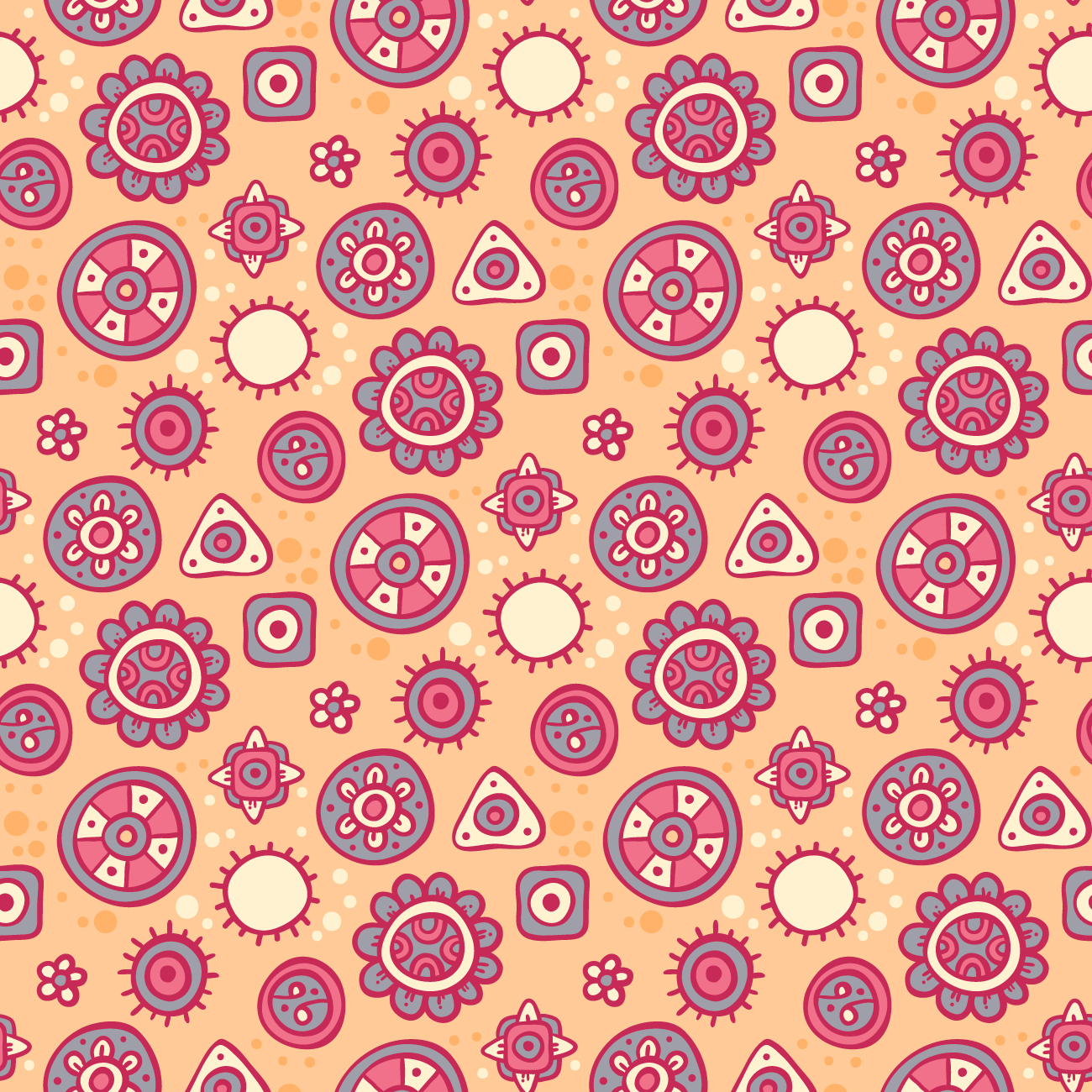
Buti
Buti motifs date back centuries and were popularized during the Mughal period, especially in royal courts. These small, repeating motifs were hand-printed, woven, or embroidered on fine fabrics like muslin and silk, becoming a hallmark of understated elegance in Indian textiles.
Wash & Care
Buti
- Hand wash or gentle machine wash in cold water
- Wash separately for the first few washes
- Avoid harsh detergents
- Shade dry; warm iron
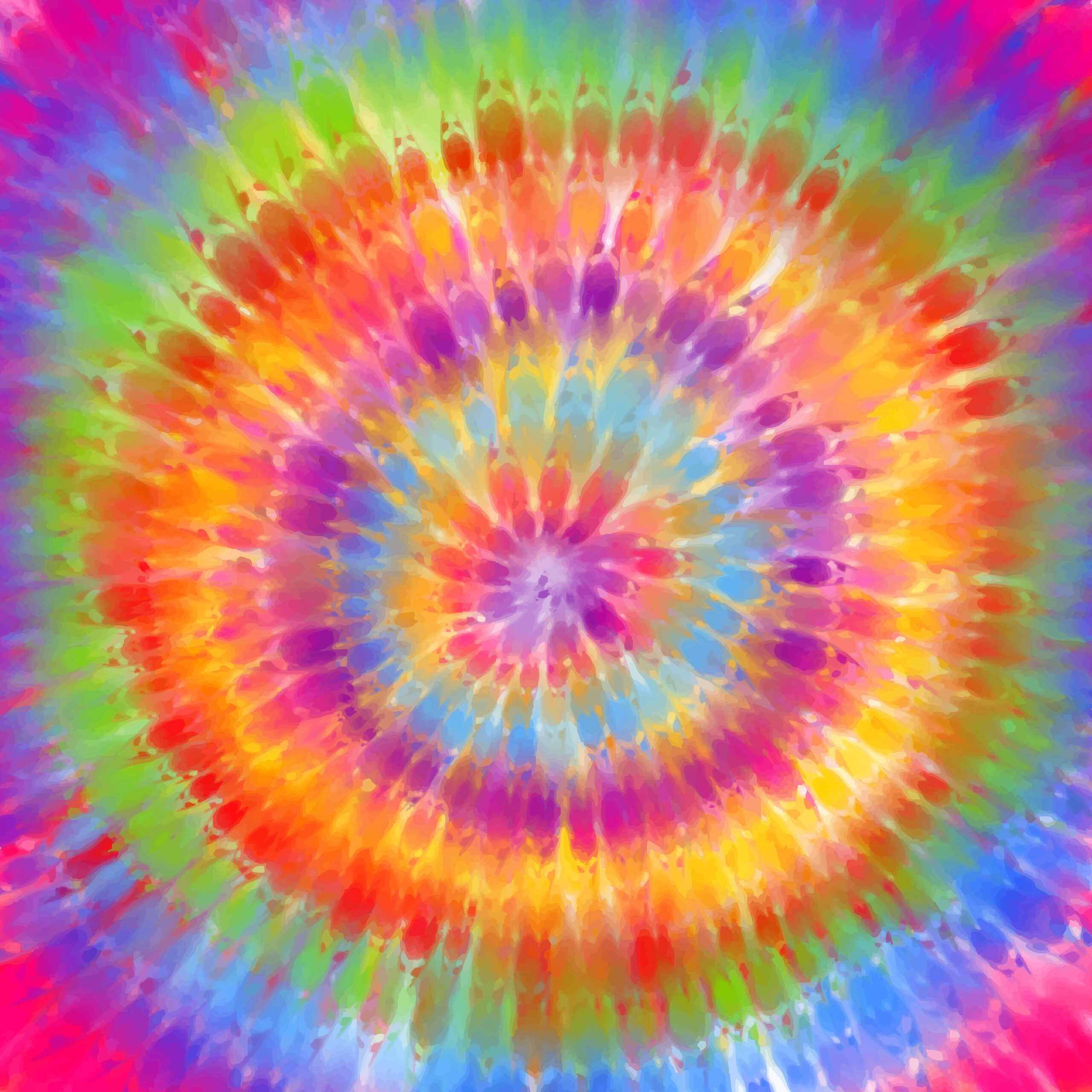
Tie & Dye (Bandhani, Leheriya)
Tie & dye techniques have been practiced in India for over 5,000 years, with references found in ancient texts and cave paintings. Bandhani flourished in Gujarat and Rajasthan, while Leheriya became associated with desert regions, reflecting movement, water, and seasonal rhythms.
Wash & Care
Tie & Dye (Bandhani, Leheriya)
- Hand wash separately in cold water
- Expect slight color bleeding initially
- Do not soak or wring
- Dry in shade; iron on reverse
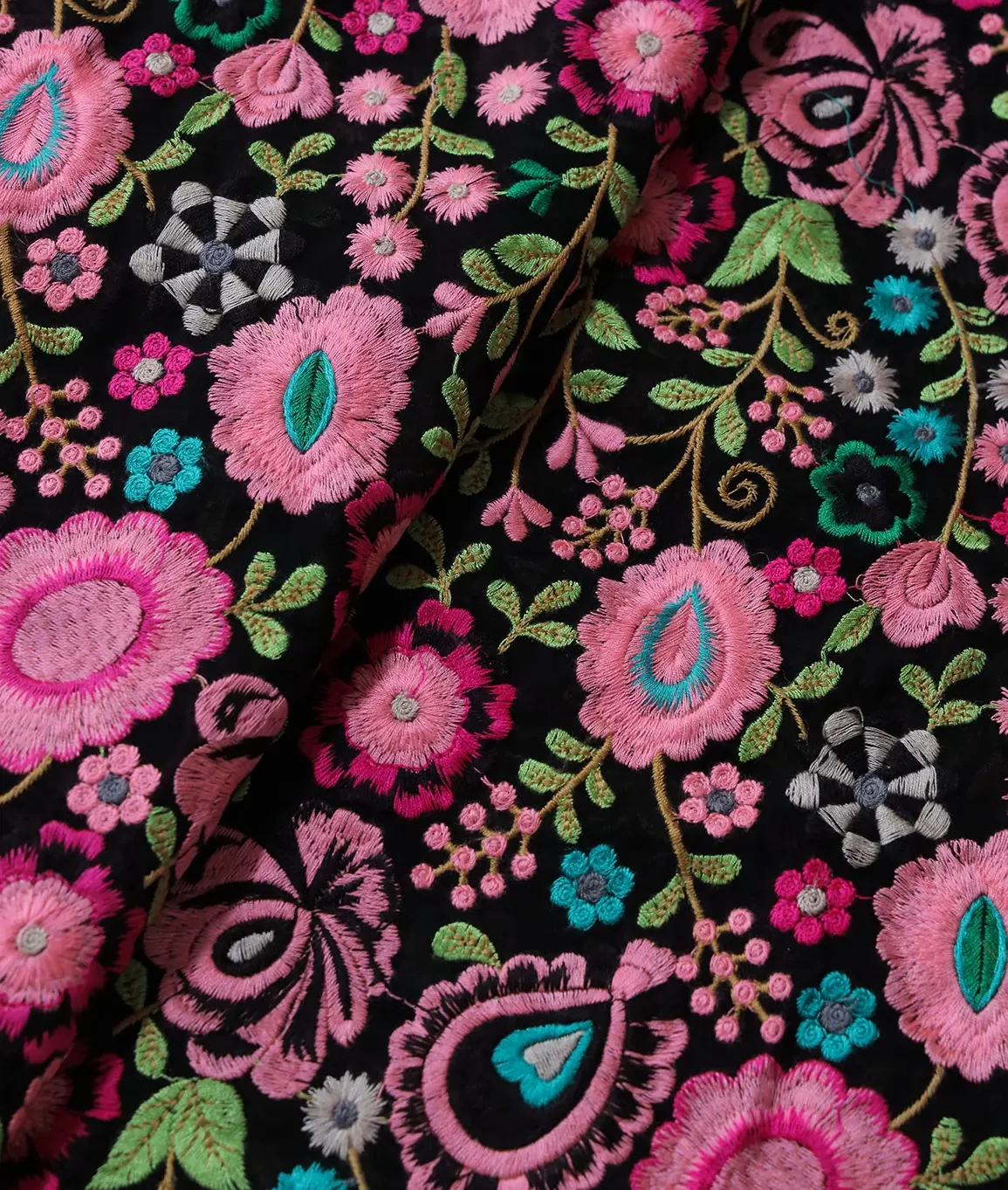
Embroidered
Indian embroidery dates back to the Indus Valley Civilization, with techniques refined under royal patronage. Styles like zari, chikankari, phulkari, and kantha developed regionally, reflecting local materials, climate, and cultural stories stitched by hand.
Wash & Care
Embroidered
- Dry clean recommended for best care
- If hand washing, turn garment inside out
- Do not scrub embroidery
- Lay flat to dry; steam lightly
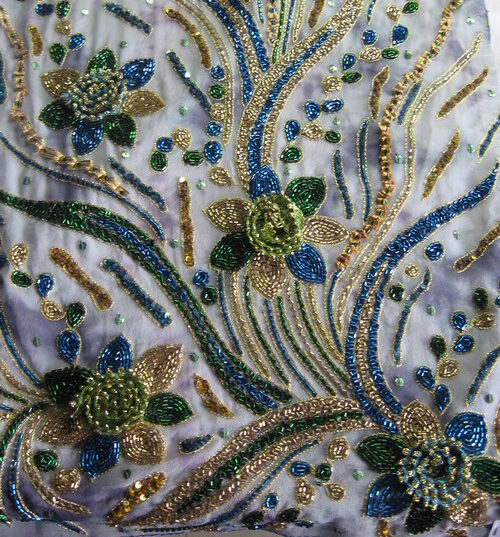
Embellished
Embellishment techniques flourished during the Mughal era, when royal garments were adorned with gold threads, pearls, mirrors, and stones. Crafts like zardozi and gota patti became symbols of opulence, celebration, and ceremonial wear.
Wash & Care
Embellished
- Dry clean only
- Avoid water wash to prevent damage
- Store flat to maintain embellishments
- Do not iron directly on embellishment
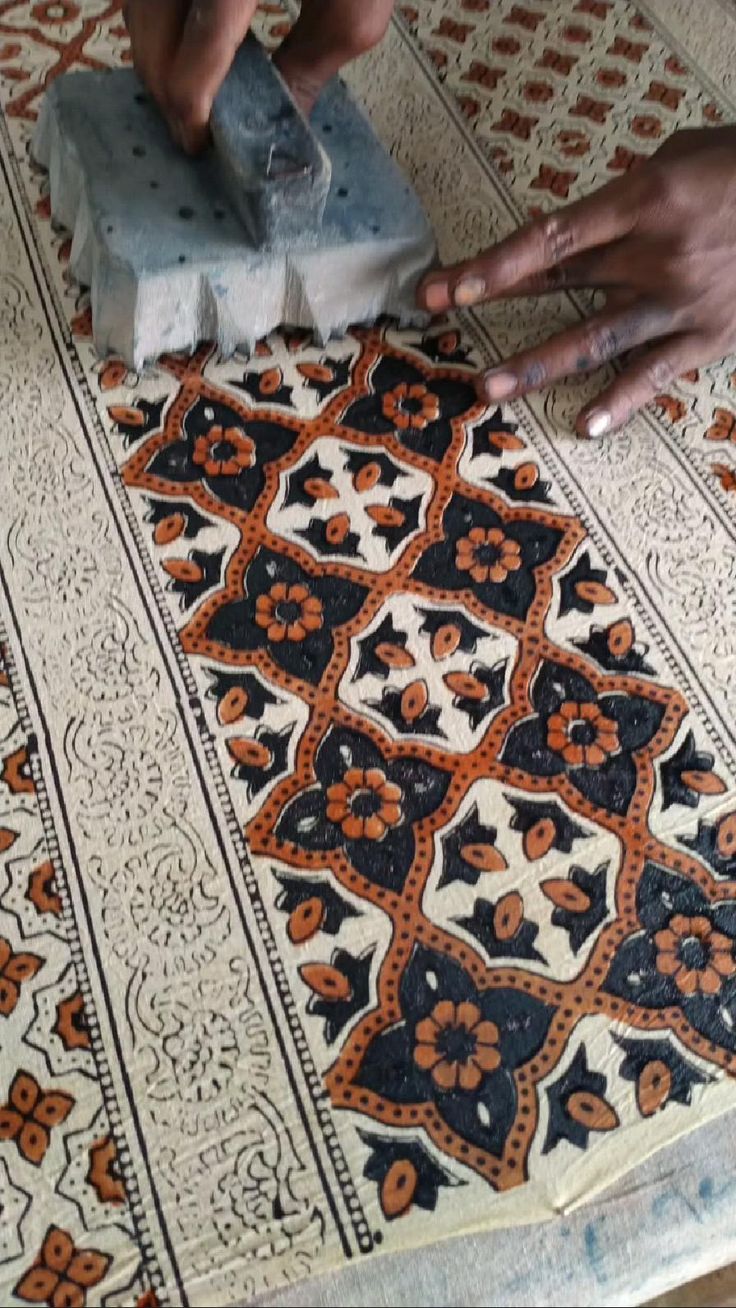
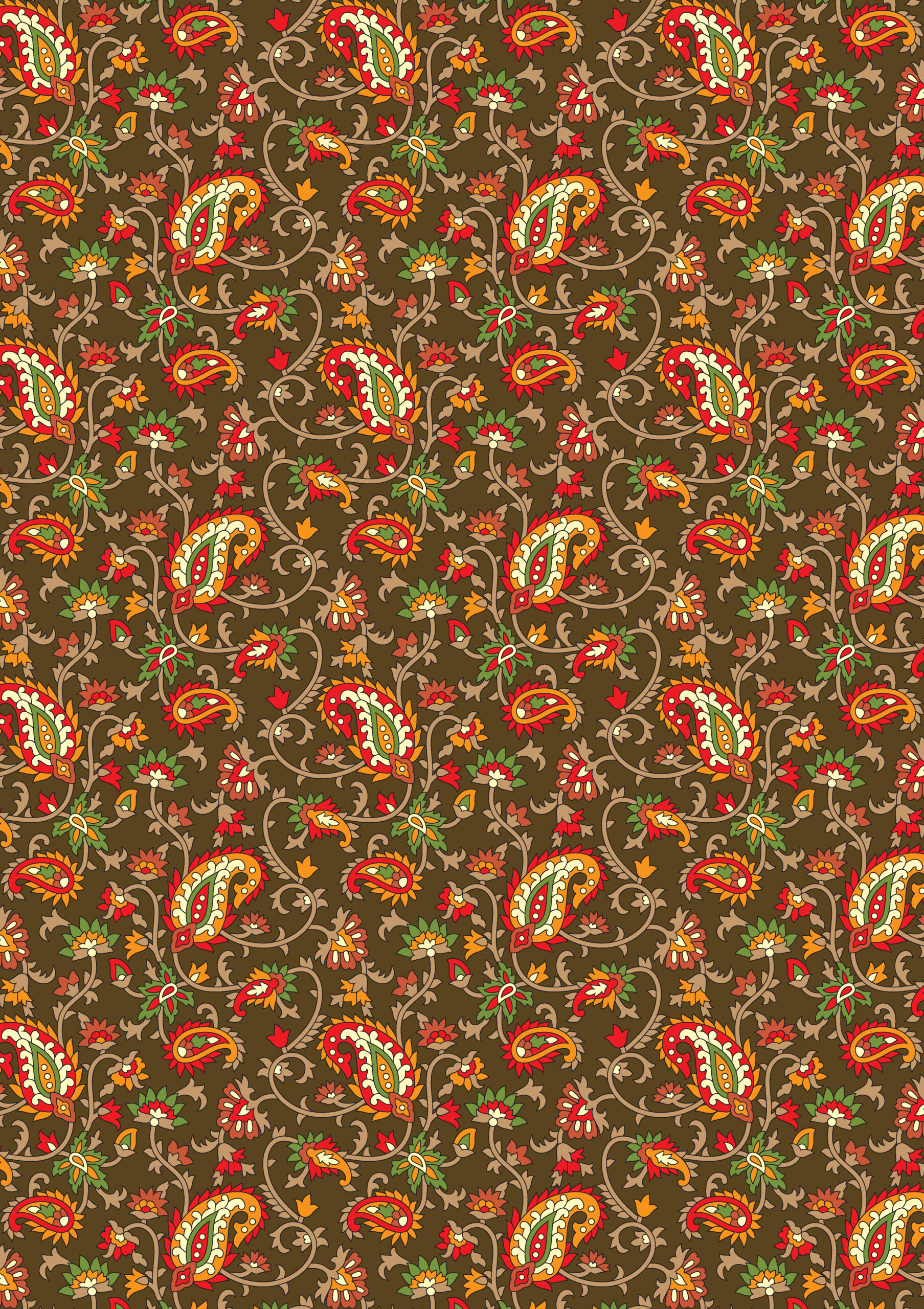
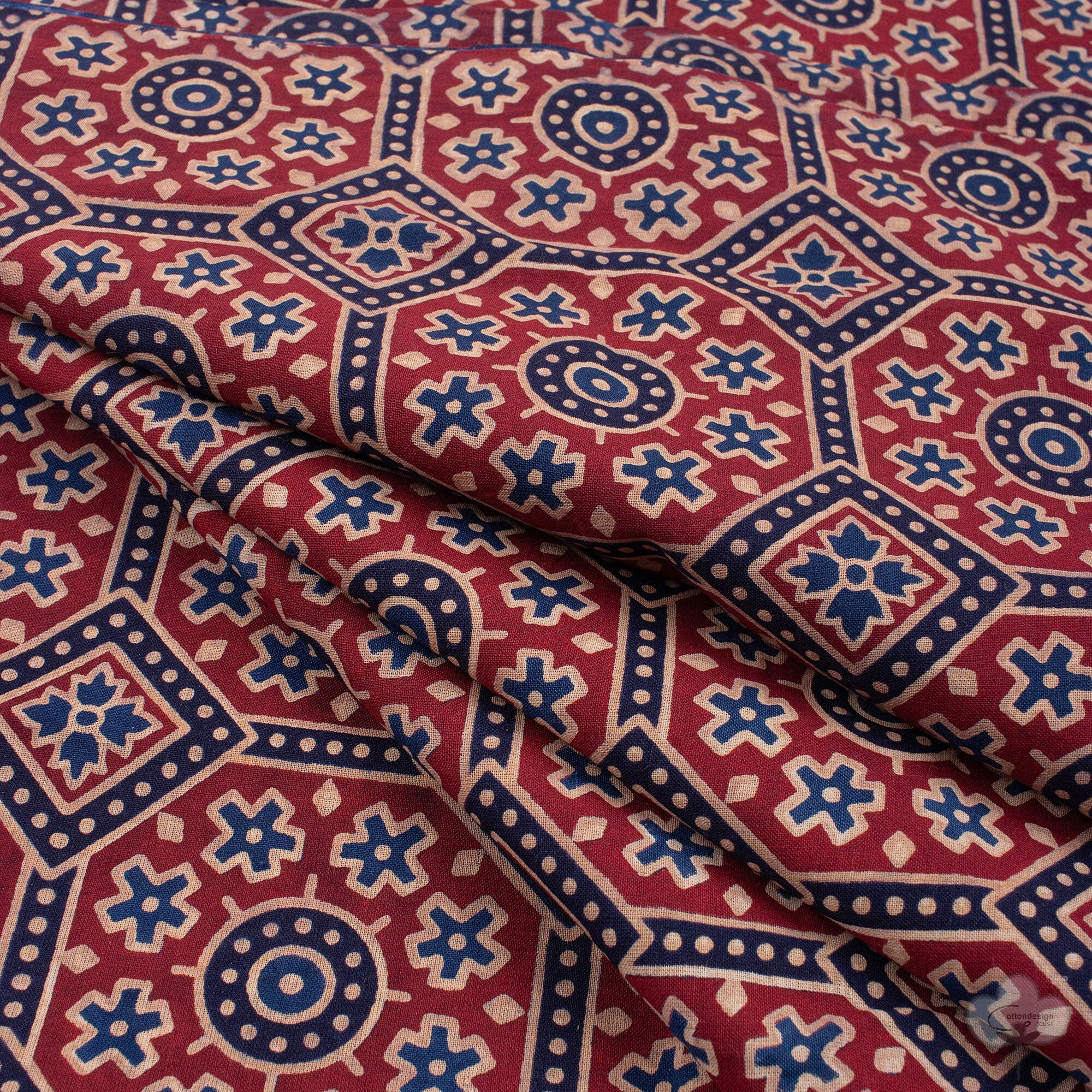
Printed (Block Printing, Ajrakh, Kalamkari)
Textile printing in India dates back over 2,000 years. Hand block printing, Ajrakh, and Kalamkari were practiced by artisan communities and traded along ancient trade routes, known for their precision, storytelling, and natural dyes.
Wash & Care
Printed (Block Printing, Ajrakh, Kalamkari)
- Hand wash separately in cold water
- Use mild detergent
- Avoid soaking and direct sunlight
- Iron on reverse side
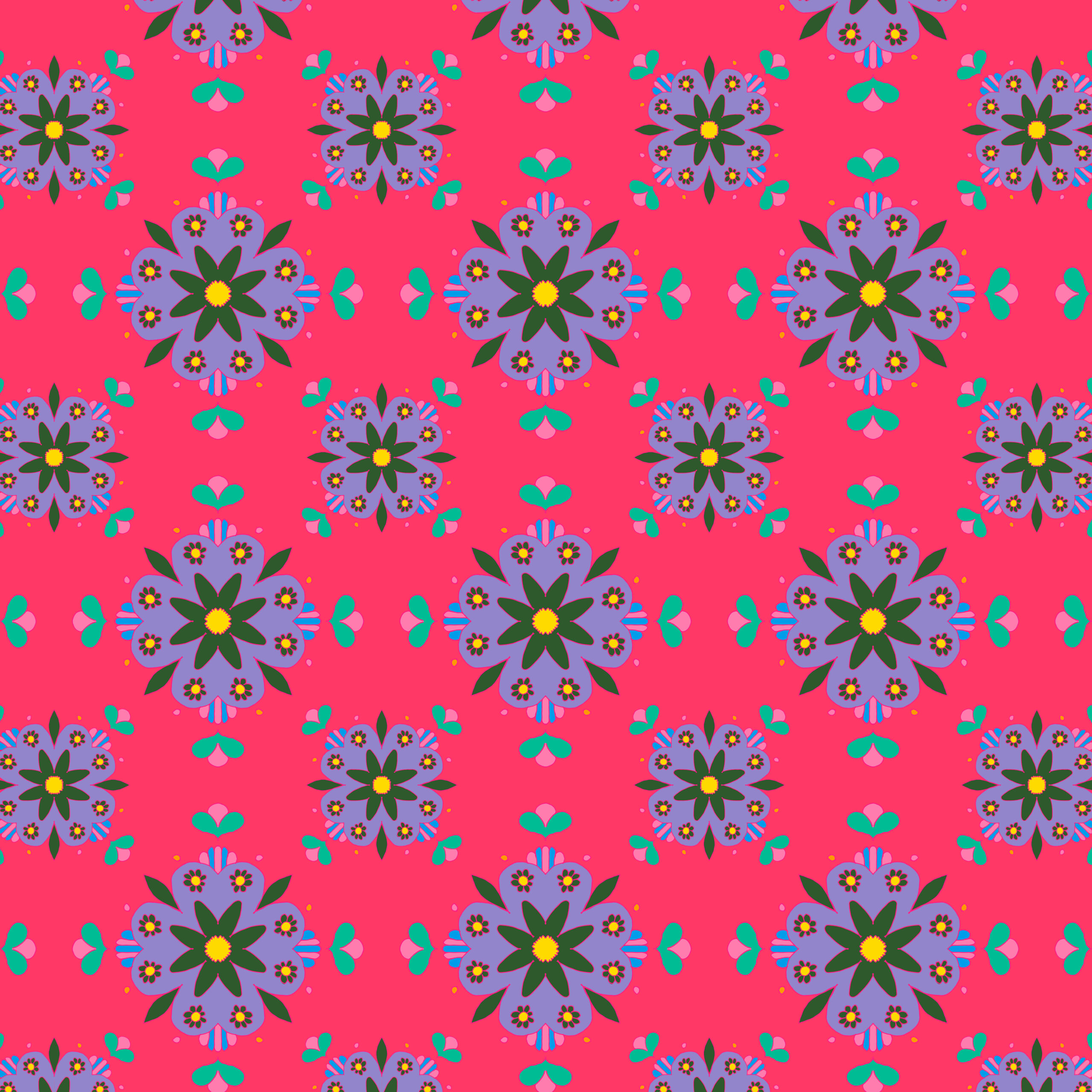
Bagh Print
Originating in Bagh, Madhya Pradesh, this hand block print tradition uses natural dyes and distinctive red-black motifs. It evolved under Mughal influence and remains a strong folk textile identity.
Wash & Care
Bagh Print
- Hand wash separately in cold water
- Use gentle detergent
- Avoid prolonged soaking
- Shade dry to retain color richness
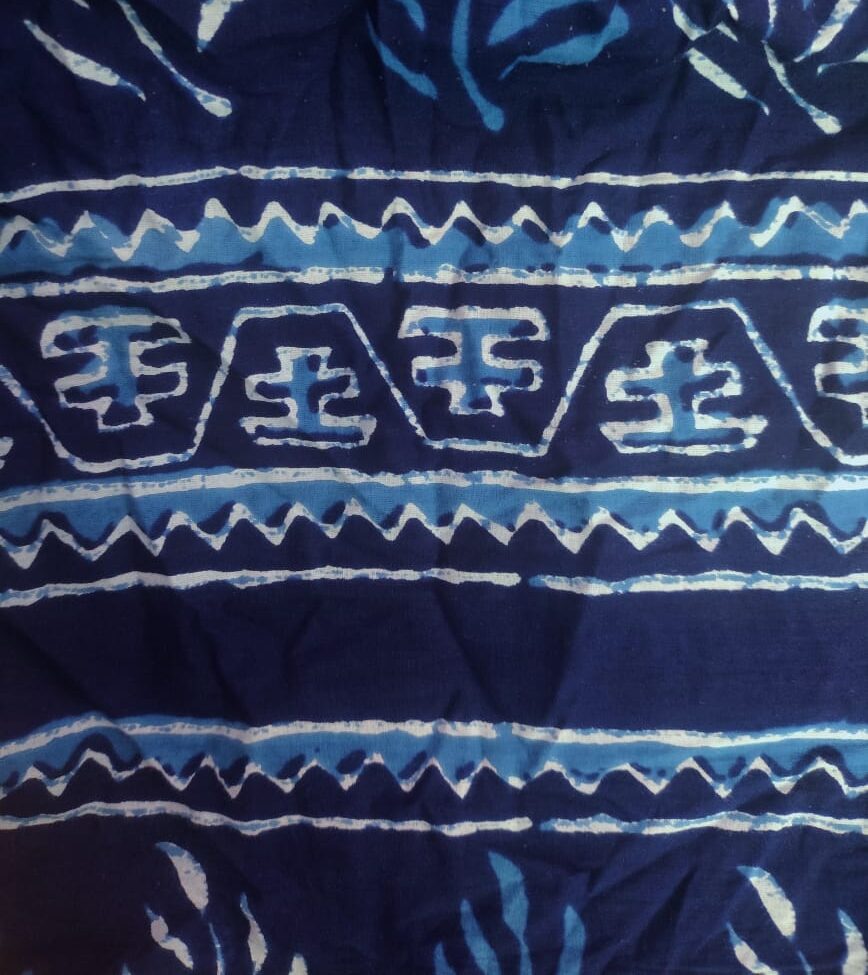
Dabu
Dabu is an ancient mud-resist printing technique from Rajasthan. Artisans apply a mud paste to fabric before dyeing, creating earthy, organic patterns deeply rooted in desert cultures.
Wash & Care
Dabu
- Hand wash separately in cold water
- Natural dyes may bleed initially
- Do not scrub
- Dry in shade; reverse iron
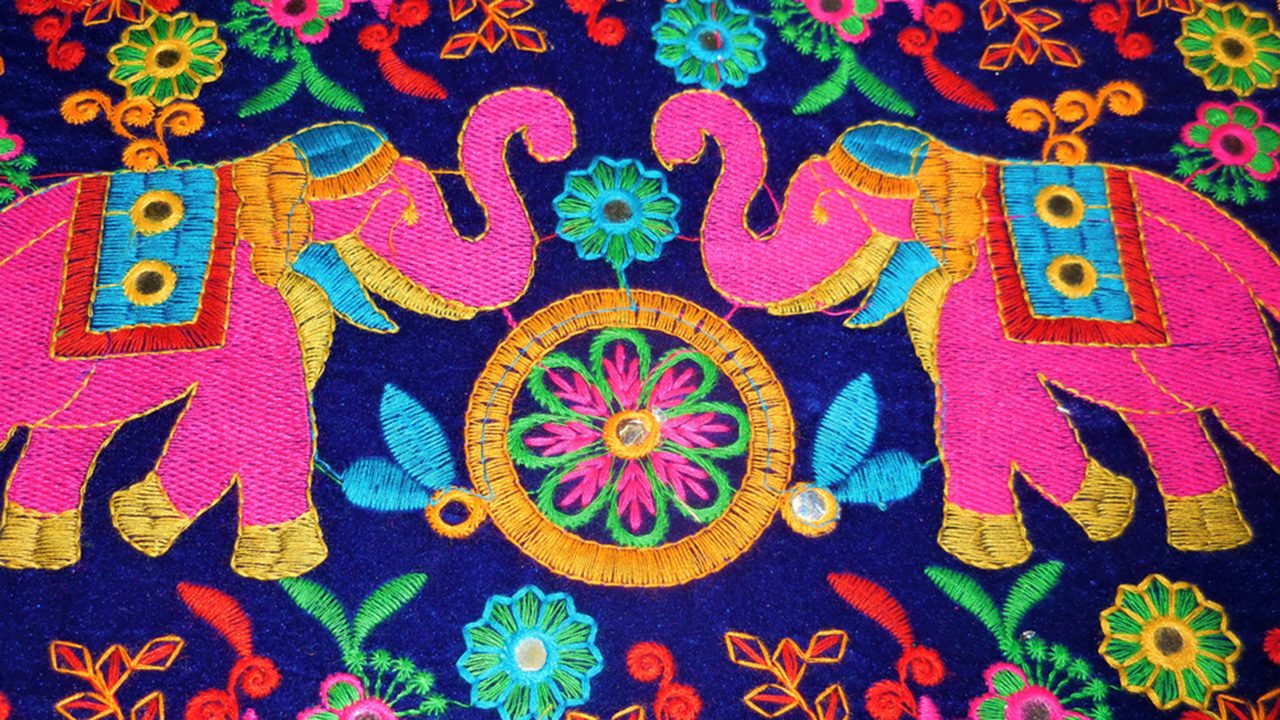
Applique
Applique work has its roots in temple and ceremonial textiles, especially in Odisha (Pipli) and Gujarat. Fabric pieces were layered and stitched to create bold, symbolic designs used in rituals and processions.
Wash & Care
Applique
- Dry clean recommended
- If hand washing, turn garment inside out
- Do not wring
- Dry flat in shade
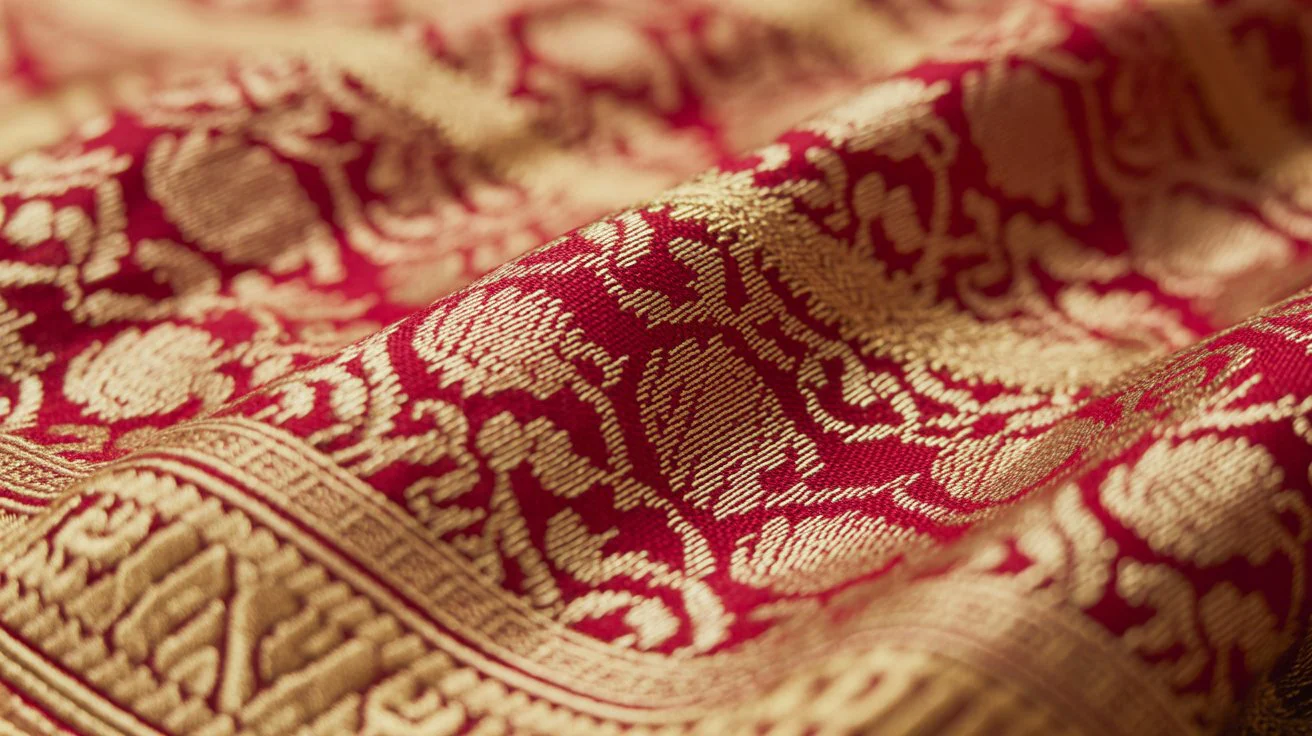
Jacquard (Indian Handloom Use)
While the loom mechanism evolved later, Indian weavers adopted jacquard techniques into handloom weaving to create intricate motifs, especially in silk and brocade traditions.
Wash & Care
Jacquard (Indian Handloom Use)
- Dry clean preferred
- Avoid heavy steam
- Store folded carefully
- Low heat ironing