

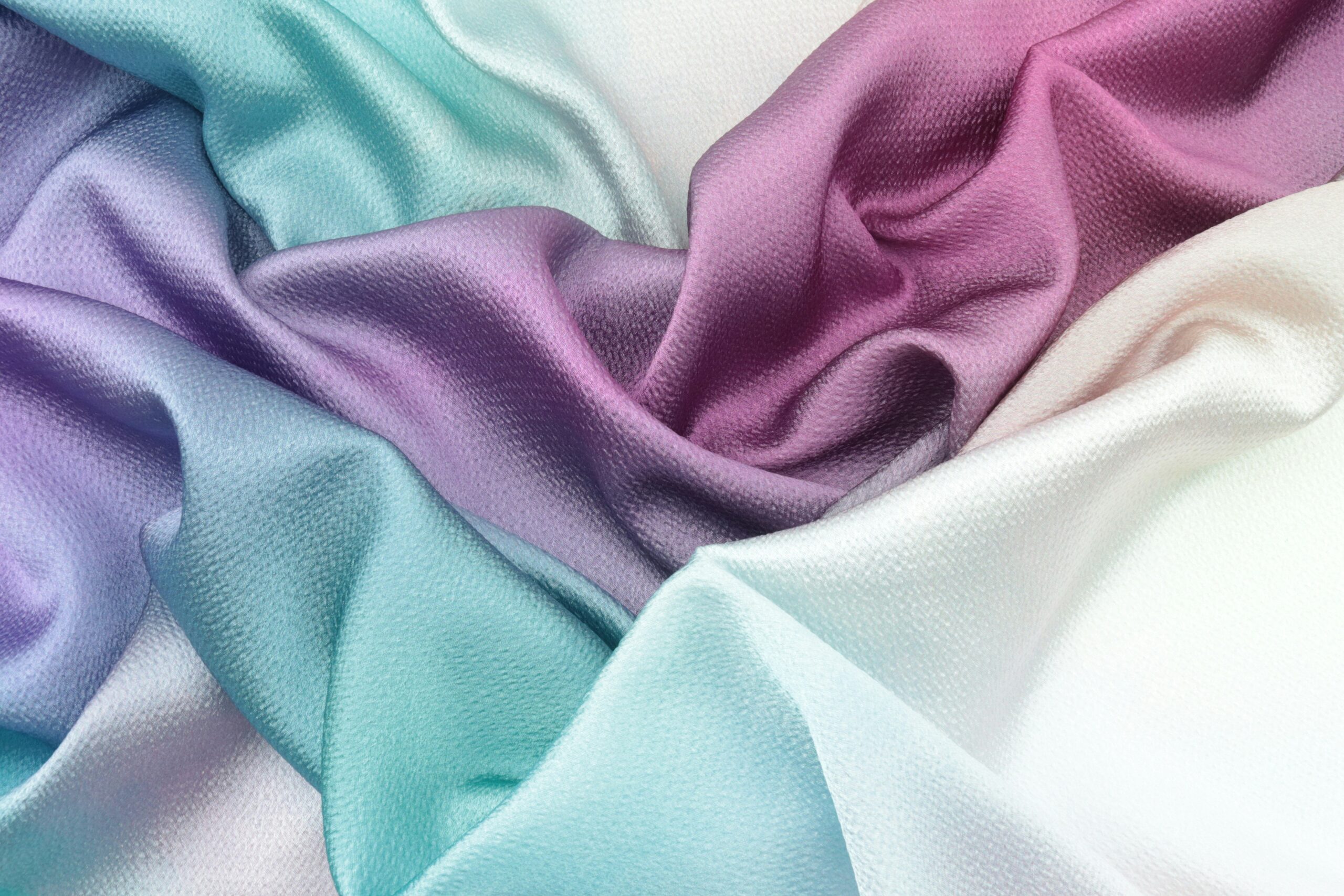
When it comes to clothing, fabric matters as much as design. The right material determines how a garment feels on your skin, how long it lasts, how it looks after repeated wear, and how comfortable it is across seasons. Understanding fabrics before you buy helps you make smarter, more conscious fashion choices and build a wardrobe that truly works for your lifestyle.
This detailed fabric guide breaks down different types of clothing materials, their benefits, and how to choose the right fabric for comfort, durability, and style.
Why Fabric Knowledge Is Important When Buying Clothes
Many shoppers focus only on appearance, but fabric impacts:
- Breathability and comfort
- Fit and drape
- Durability and maintenance
- Suitability for climate and occasion
1. Cotton Fabric: The Everyday Essential
Cotton is one of the most widely used fabrics due to its softness, breathability, and versatility. It is ideal for daily wear and warmer climates.
Key features:
- Skin-friendly and breathable
- Absorbs moisture effectively
- Easy to maintain and durable
Best used for:
- Casual wear
- Office wear
- Summer clothing
2. Linen Fabric: Light, Airy & Natural
Linen is known for its lightweight texture and cooling properties, making it perfect for hot and humid weather.
Key features:
- Excellent airflow
- Natural texture with a relaxed look
- Gets softer with every wash
Best used for:
- Summer outfits
- Resort and travel wear
- Relaxed, casual styles
3. Silk Fabric: Luxurious & Timeless
Silk is a premium fabric valued for its smooth texture, natural sheen, and elegance. It drapes beautifully and adds sophistication to any outfit.
Key features:
- Soft and lightweight
- Temperature-regulating
- Naturally lustrous
Best used for:
- Occasion wear
- Festive and evening outfits
- Statement garments
4. Wool Fabric: Warm, Breathable & Durable
Wool is a natural fiber that offers excellent insulation without overheating. It is suitable for cooler climates and transitional seasons.
Key features:
- Retains warmth while allowing airflow
- Resists wrinkles and odors
- Long-lasting and resilient
Best used for:
- Winter wear
- Layered outfits
- Structured garments
5. Synthetic Fabrics: Practical & Performance-Driven
Synthetic fabrics such as polyester, nylon, and rayon are widely used for their durability and affordability.
Key features:
- Wrinkle-resistant
- Retains shape well
- Often blended with natural fibers
Best used for:
- Travel-friendly clothing
- Active and everyday wear
- Budget-conscious fashion
6. Blended Fabrics: Best of Both Worlds
Blended fabrics combine natural and synthetic fibers to enhance comfort, durability, and performance.
Common blends:
- Cotton-polyester blends
- Linen blends
- Silk blends
Benefits:
- Improved strength
- Reduced wrinkles
- Better shape retention
7. Sustainable & Eco-Friendly Fabrics
Conscious consumers are increasingly choosing eco-friendly fabrics that reduce environmental impact.
Popular sustainable materials:
- Organic cotton
- Bamboo fabric
- Handwoven natural fibers
Benefits:
- Reduced chemical usage
- Better for skin and environment
- Long-term sustainability
8. How to Choose the Right Fabric for Your Needs
When selecting fabric, consider:
- Climate and season
- Occasion and frequency of wear
- Maintenance requirements
- Skin sensitivity
Asking these questions ensures that your clothing looks good while remaining practical and comfortable.
Final Thoughts: Fabric Knowledge Leads to Better Fashion Choices
Understanding fabric is the foundation of smart dressing. The right material enhances comfort, longevity, and style, allowing you to enjoy your clothes for years. Whether you prefer natural fibers, blended materials, or sustainable options, informed fabric choices empower you to shop with confidence.
This fabric guide is designed to help you look beyond the surface and invest in clothing that truly fits your lifestyle.