

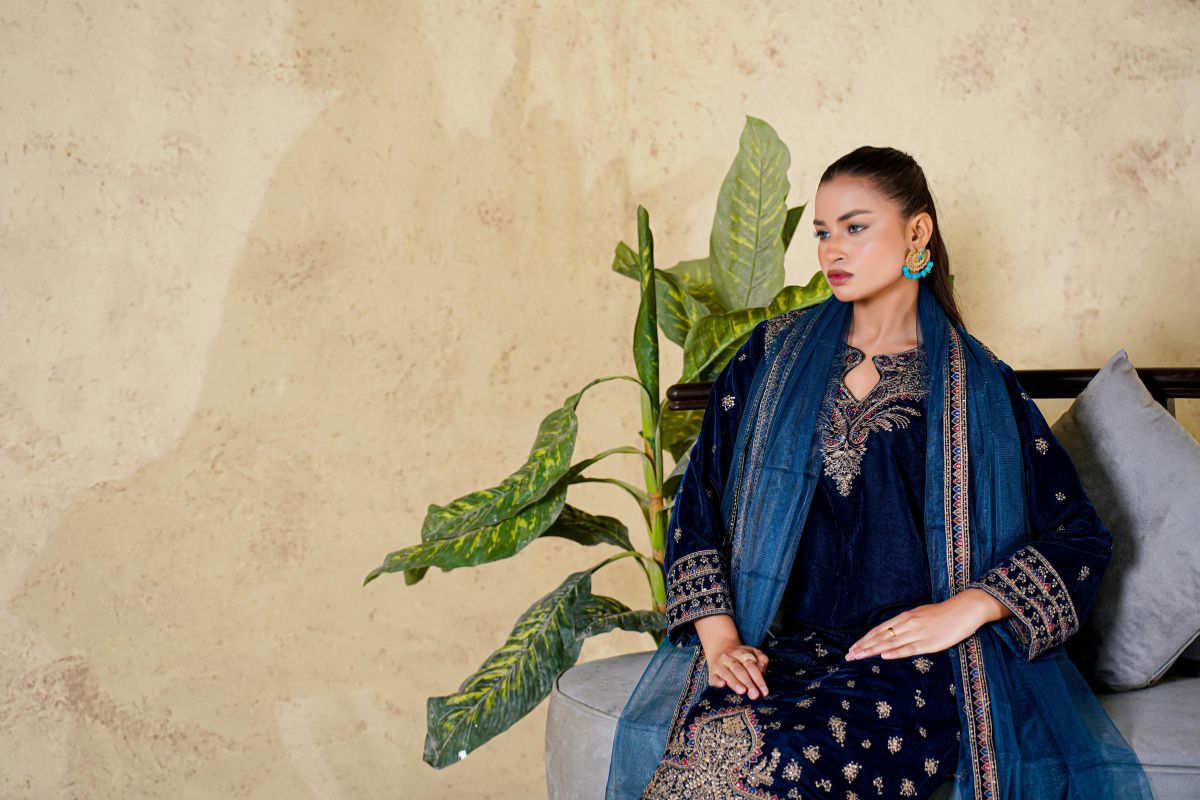
Fashion is a reflection of time, culture, and identity. While traditional fashion preserves heritage and craftsmanship, contemporary fashion adapts style to modern lifestyles and changing preferences. Today, these two worlds don’t compete—they coexist, influence, and complement each other.
This blog explores the differences between traditional and contemporary fashion, how each style has evolved, and why their fusion is shaping modern wardrobes.
What Is Traditional Fashion ?
Traditional fashion is rooted in history, culture, and regional identity. It reflects customs passed down through generations and often holds emotional and symbolic value.
Key characteristics of traditional fashion:
- Heritage-inspired designs and motifs
- Handcrafted techniques and detailing
- Cultural significance and storytelling
- Timeless silhouettes
The Importance of Traditional Fashion in Modern Times
Traditional clothing plays a vital role in preserving cultural identity. Even today, it is widely worn during festivals, ceremonies, and special occasions.
Why traditional fashion remains relevant:
- Represents history and craftsmanship
- Supports artisan communities
- Offers timeless elegance
- Connects generations
What Is Contemporary Fashion ?
Contemporary fashion focuses on current trends, functionality, and lifestyle needs. It evolves quickly and emphasizes comfort, versatility, and minimalism.
Key features of contemporary fashion:
- Modern silhouettes and cuts
- Trend-driven colors and designs
- Lightweight and easy-care fabrics
- Practicality for everyday wear
How Contemporary Fashion Reflects Changing Lifestyles
Modern lifestyles demand clothing that moves easily from work to social settings. Contemporary fashion addresses this need by blending style with functionality.
Reasons contemporary fashion is popular:
- Comfort-focused designs
- Easy mix-and-match styling
- Adaptability across occasions
- Global fashion influence
Traditional Fashion vs Contemporary Fashion: Key Differences
Understanding the contrast between these two styles helps shoppers make informed wardrobe choices.
| Aspect | Traditional Fashion | Contemporary Fashion |
|---|---|---|
| Inspiration | Culture & heritage | Modern trends |
| Silhouette | Timeless & structured | Relaxed & fluid |
| Fabrics | Handwoven, natural | Blended & innovative |
| Usage | Occasions & ceremonies | Daily & versatile wear |
The Rise of Fusion Fashion: Best of Both Worlds
Fusion fashion bridges the gap between traditional and contemporary styles. It reimagines heritage elements in modern forms, making them wearable for everyday life.
Examples of fusion fashion:
- Traditional prints on modern silhouettes
- Minimal embroidery on contemporary outfits
- Ethnic elements styled for casual or workwear
How to Style Traditional & Contemporary Fashion Together
Blending traditional and contemporary pieces allows for creative expression and personal style.
Styling tips:
- Pair traditional garments with modern accessories
- Use heritage fabrics in minimal silhouettes
- Balance statement pieces with simple designs
Sustainability & Craftsmanship in Traditional and Contemporary Fashion
Both fashion styles contribute to sustainable practices when approached mindfully. Traditional fashion emphasizes craftsmanship, while contemporary fashion focuses on efficiency and innovation.
Key sustainable aspects:
- Handcrafted production reduces waste
- Timeless designs promote long-term use
- Conscious contemporary fashion supports ethical sourcing
Final Thoughts: Choosing Between Traditional & Contemporary Fashion
Traditional and contemporary fashion serve different purposes, but together they create a balanced wardrobe. While traditional fashion connects us to our roots, contemporary fashion aligns with modern life. The future of fashion lies in respecting heritage while embracing innovation.
By understanding the strengths of both styles, you can make thoughtful fashion choices that reflect personality, culture, and comfort.